-
CALL US:
- (866) 952-3456

Owning a rental property is more than just collecting rent; it's about safeguarding a significant investment. Reactive maintenance, fixing things only when they break, inevitably leads to higher costs, frustrated tenants, and preventable emergencies. A proactive approach, guided by a thorough rental property maintenance checklist, is the secret to maximizing profitability and ensuring long-term asset value. This strategy shifts your focus from crisis management to strategic asset protection, transforming a major landlord headache into a powerful operational advantage.
This guide moves beyond the basics to provide a comprehensive, actionable framework organized by frequency and scenario. We will detail everything from crucial move-in inspections and monthly spot-checks to in-depth seasonal and annual tasks. You won’t find generic advice here; instead, you’ll get specific, implementable steps designed to streamline your workflow, prevent costly repairs, and maintain a safe, habitable environment for your tenants.
By implementing this structured checklist, you will learn how to:
Think of this checklist not as a list of chores, but as a business plan for your property's physical health. It provides the clarity and structure needed to manage your investment effectively, giving you more control and peace of mind. Let's dive into the specific tasks that will fortify your property against wear and tear.
The HVAC system is the heart of a property's comfort and a major factor in utility costs. Neglecting it is a surefire way to face expensive emergency repairs and unhappy tenants. A proactive approach to HVAC care is a cornerstone of any effective rental property maintenance checklist, focusing on preserving the unit's lifespan, ensuring energy efficiency, and maintaining healthy indoor air quality.
Regular maintenance prevents minor issues from escalating into catastrophic failures. A well-maintained system operates more efficiently, directly translating to lower energy bills for you or your tenants. Furthermore, clean filters and ducts significantly improve indoor air quality, reducing allergens and dust, which is a major selling point for health-conscious renters. Property management firms in hot climates like Arizona have seen a 60% reduction in emergency AC calls just by implementing bi-annual professional tune-ups.
Break down your HVAC tasks into manageable intervals:
Pro Tip: Set up calendar alerts for filter changes and include specific filter sizes and replacement instructions in your tenant welcome packet. Keeping a detailed maintenance log for each service visit also provides a valuable record for warranty claims and future troubleshooting. Integrating this proactive care into your routine is a key function of professional property maintenance services.
The roof is a rental property's first line of defense against the elements, and its failure can lead to catastrophic and expensive interior damage. Overlooking roof maintenance is a high-stakes gamble that can result in water intrusion, structural rot, and dangerous mold growth. A systematic roof inspection and repair plan is a non-negotiable part of any rental property maintenance checklist, designed to protect your investment and ensure tenant safety.
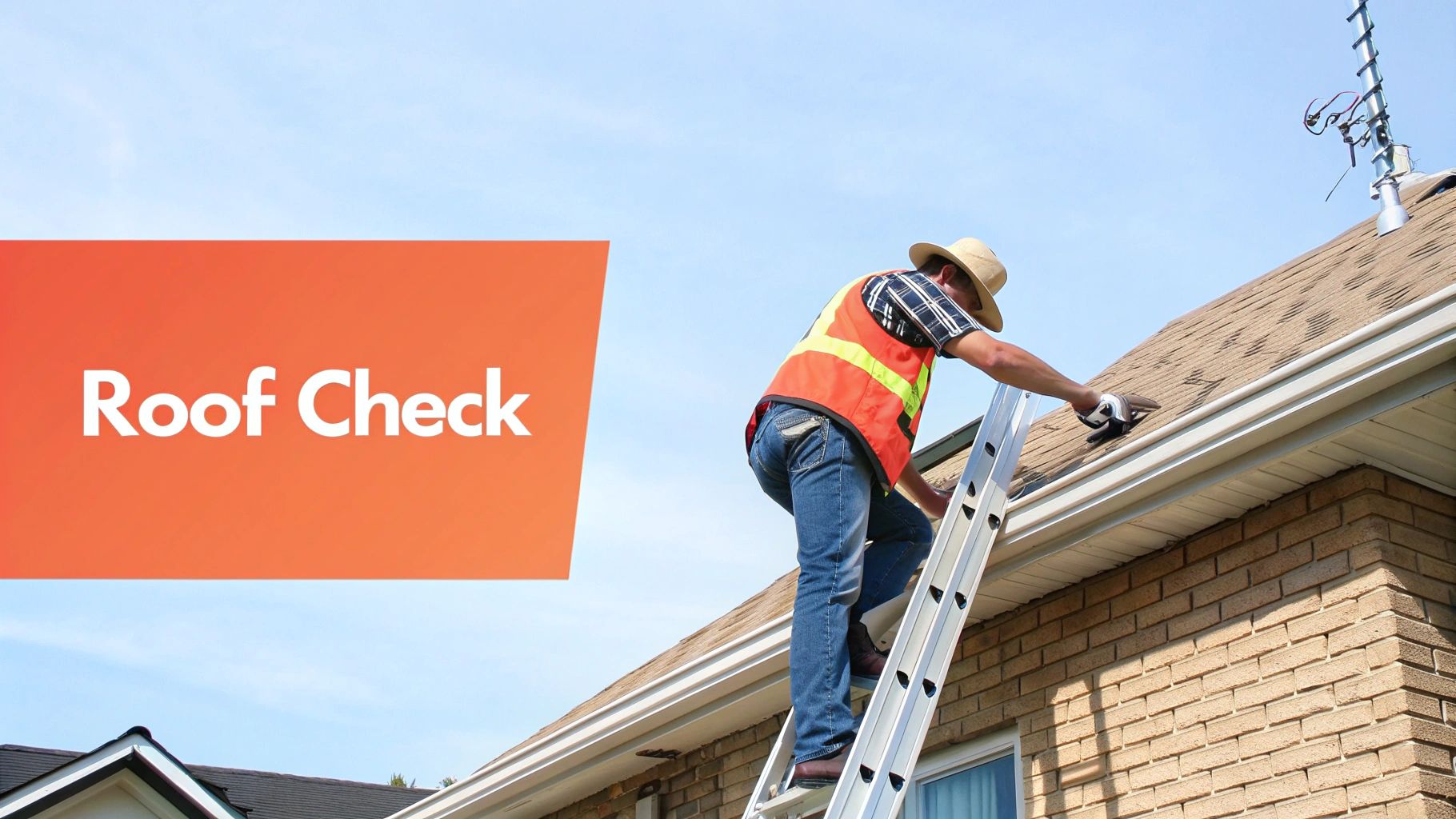
Proactive roof care prevents minor issues like a single missing shingle from escalating into major water damage emergencies that displace tenants and require thousands in repairs. According to the National Roofing Contractors Association (NRCA), scheduled inspections can significantly extend a roof's lifespan, delaying a costly full replacement. For instance, a property owner in a storm-prone area who caught early hail damage saved over $8,000 in water mitigation and ceiling repairs by addressing the problem before the next rainstorm. Regular upkeep is a critical component of preventative care.
Incorporate these tasks into your property management routine:
Pro Tip: Keep a photographic log of your roof's condition after each inspection. This documentation is invaluable for tracking deterioration over time, budgeting for future replacement, and supporting potential insurance claims after a storm event. Address all small repairs immediately.
Water damage is one of the most destructive and costly issues a landlord can face, making proactive plumbing maintenance a non-negotiable part of any rental property maintenance checklist. This involves the regular inspection of all water lines, fixtures, drain systems, and appliances to catch leaks, clogs, and corrosion before they cause catastrophic failure. A small, undetected drip can quickly escalate into thousands of dollars in repairs, mold remediation, and tenant displacement.
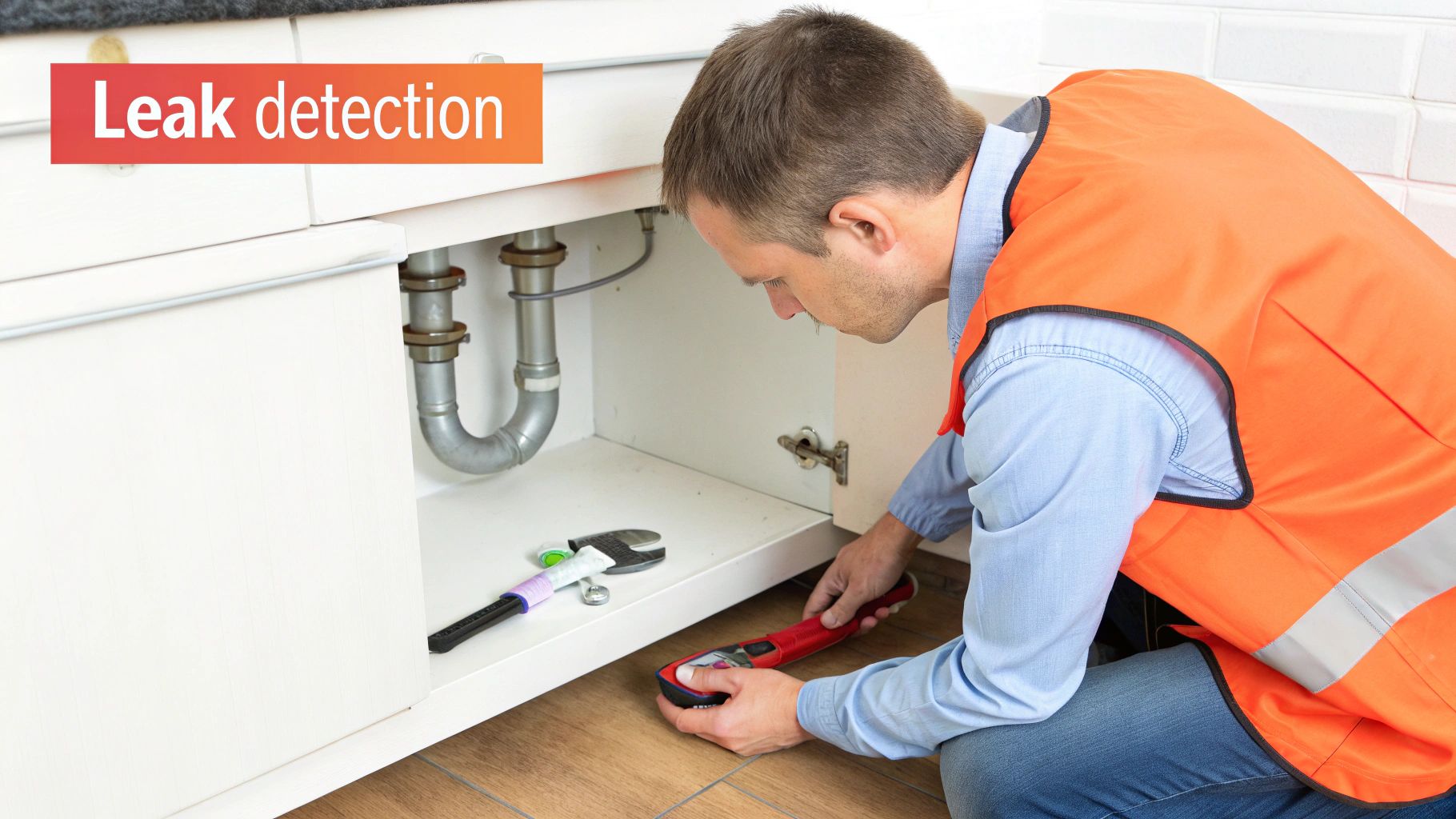
Unchecked plumbing problems are a primary cause of property damage claims. Early detection is crucial; for example, one landlord reported saving over $12,000 in potential water damage repairs by catching a slow leak behind a toilet during a routine quarterly inspection. The popularization of smart home technology, particularly water leak sensors, has further highlighted the importance of early warnings. Properties equipped with these devices have been shown to identify and resolve multiple hidden leaks within months, preventing significant structural damage and preserving the property's value.
Organize your plumbing checks to stay ahead of potential disasters:
Pro Tip: During tenant move-in, physically show them where the main water shut-off valve is and explain how to use it. This simple five-minute lesson can prevent a minor leak from becoming a major flood. Also, keep the contact information for a trusted 24/7 plumber accessible for both you and your tenants.
The electrical system is the unseen nervous system of a rental property, and its failure can range from a minor inconvenience to a catastrophic fire. A proactive approach to electrical safety isn't just good practice; it's a critical responsibility for any landlord. This part of your rental property maintenance checklist focuses on ensuring the system is safe, up to code, and capable of handling modern tenant demands.
Faulty electrical systems are a leading cause of residential fires. Regular inspections can identify dangerous, outdated components like knob-and-tube wiring or overloaded circuits before they cause a disaster. Ensuring safety features like Ground Fault Circuit Interrupter (GFCI) outlets are installed and functional in wet areas (kitchens, bathrooms, laundry rooms) is essential for preventing electrocution and is often required by local codes and insurance policies. A well-maintained system protects your tenants, your investment, and your liability.
Organize your electrical safety checks into a clear, recurring plan:
Pro Tip: If your property is over 40 years old, start budgeting for a potential electrical panel and wiring upgrade. Keep a detailed log of all professional electrical work, including inspections and repairs. This documentation is invaluable for insurance purposes and demonstrates due diligence in maintaining a safe property.
The gutter system is your property's first line of defense against water damage, channeling thousands of gallons of rainwater away from the roof, siding, and foundation. Ignoring this critical component is a direct invitation for costly water intrusion, foundation damage, and even pest infestations. A proactive approach to gutter and downspout care is an indispensable part of any rental property maintenance checklist, safeguarding the structural integrity of your investment.
Neglected gutters filled with leaves, twigs, and debris will overflow, causing water to cascade down exterior walls and pool around the foundation. This can lead to wood rot, siding damage, basement flooding, and soil erosion that compromises the foundation. One property manager in a heavily wooded area reported that implementing a semi-annual gutter cleaning schedule prevented an estimated $15,000 in potential foundation repairs after a particularly rainy season. Clean, functional gutters protect your property from top to bottom.
Break down your gutter maintenance into routine, manageable tasks:
Pro Tip: Document the condition of the gutters with photos before and after cleaning. For multi-story properties or for safety reasons, hiring a professional service is a wise investment. Consider installing gutter guards to significantly reduce the frequency of cleanings, though they still require periodic inspection to ensure they haven't become clogged.
A property's exterior is its first line of defense against the elements and the first impression it makes on prospective tenants. Maintaining paint, siding, and weatherproofing is not just about aesthetics; it is a critical task in any rental property maintenance checklist for protecting the structural integrity of the building. Proactive care prevents moisture intrusion, pest infestations, and costly rot or decay, preserving the asset's long-term value.
Neglected exteriors can lead to catastrophic damage. A small crack in the caulk around a window can allow water to seep in, causing thousands of dollars in hidden water damage and mold remediation. According to real estate experts, a fresh exterior paint job can increase a property's value by 3-5%, boosting curb appeal and attracting higher-quality tenants. Conversely, peeling paint and damaged siding can signal neglect, deterring applicants and potentially leading to code violations.
Break down your exterior upkeep into a routine schedule:
Pro Tip: When addressing peeling paint, don't just paint over it. Properly scrape, sand, and prime the area first to ensure a lasting bond and prevent the underlying wood from deteriorating. Document the exact paint colors and brands used for easy touch-ups between full repainting projects.
The appliances you provide are workhorses of a rental unit and a major factor in tenant satisfaction. From refrigerators to dishwashers, these machines endure daily use, and neglecting them can lead to costly emergency repairs, property damage from leaks, and frustrated tenants. A systematic approach to appliance care is a critical component of any rental property maintenance checklist, focusing on extending their lifespan, ensuring operational safety, and preventing expensive failures.
Proactive appliance maintenance prevents minor annoyances from becoming major disasters. A simple task like cleaning a dryer vent can prevent a devastating house fire, while regular refrigerator coil cleaning can avert a $800 compressor failure. Well-maintained appliances also operate more efficiently, which can contribute to lower utility bills for the tenant and make your property more attractive. According to Consumer Reports, regular maintenance is a key factor in maximizing appliance longevity, pushing replacement timelines further out.
Break down your appliance tasks into scheduled intervals:
Pro Tip: Keep all appliance manuals in a designated folder or digital file and provide tenants with a quick-start guide on proper use and simple troubleshooting. Encourage tenants to report any unusual noises or performance issues immediately. Budgeting for appliance replacement every 10-15 years prevents you from being caught off guard by a sudden failure.
Flooring is one of the most high-traffic and high-impact surfaces in a rental unit, directly influencing a tenant's perception of cleanliness and property value. A proactive approach to flooring maintenance goes beyond simple sweeping; it involves regular inspections and deep cleaning to preserve its appearance, prevent long-term damage, and maximize its lifespan. This crucial part of a rental property maintenance checklist protects a significant investment and ensures the unit remains attractive to prospective tenants.
Neglected floors quickly show wear and tear, leading to costly replacements that could have been avoided. Regular deep cleaning and timely repairs prevent small issues like minor stains or loose tiles from becoming permanent damage that could impact a security deposit. Professional cleaning services like Chem-Dry have demonstrated that routine professional carpet cleaning can double a carpet's lifespan from an average of 5 years to 10 or more. Well-maintained flooring also contributes to a healthier living environment by removing embedded allergens, dust, and bacteria.
Organize your flooring care based on frequency and type:
Pro Tip: Clearly outline flooring care expectations in your lease agreement, including tenant responsibility for promptly cleaning up spills. Provide tenants with a small welcome kit containing recommended cleaning products for the specific flooring types in the unit. Always document the flooring's condition with detailed photos and videos during move-in and move-out inspections to support any potential security deposit claims.
A property’s security features are non-negotiable elements that provide tenants with peace of mind and protect your investment from unauthorized access. The integrity of locks, doors, windows, and any installed security systems forms the first line of defense. Diligent maintenance in this area is a fundamental part of any rental property maintenance checklist, directly impacting tenant safety, reducing liability, and upholding your reputation as a responsible landlord.
Failing to maintain security features can lead to break-ins, property damage, and significant legal and financial repercussions. A tenant's sense of safety is paramount to their satisfaction and retention. Moreover, insurance providers often have clauses requiring functional locks and security measures to maintain coverage. For instance, a well-documented rekeying program following every tenant turnover can drastically improve security records and deter potential intrusions.
Implement a security-focused schedule to cover all bases:
Pro Tip: Maintain a strict log of key distribution, noting who has access to master keys. Upgrade to high-quality, tamper-resistant deadbolts and consider installing a peephole or video doorbell for an added layer of security. A comprehensive approach ensures you cover all vulnerabilities, which is a key part of any complete home safety checklist.
An unseen pest problem can quickly escalate from a minor nuisance into a major infestation, threatening property value, tenant health, and your reputation as a landlord. Proactive pest control is not just about reacting to a complaint; it's a critical preventative measure in any comprehensive rental property maintenance checklist. A systematic approach ensures a clean, safe, and desirable living environment for tenants while protecting your investment from damage and costly remediation.
A single pest report can quickly lead to unit-wide or even building-wide infestations, resulting in high treatment costs, potential vacancies, and legal liabilities. Implementing preventative measures is far more cost-effective than dealing with an established infestation. For example, one landlord prevented a potential bed bug outbreak, which can cost over $3,000 to treat, by conducting routine inspections. Consistent pest management also boosts tenant satisfaction and retention, as it demonstrates a commitment to providing a healthy, well-maintained home.
Organize your pest control efforts to stay ahead of potential problems:
Pro Tip: Educate your tenants on their role in pest prevention. Provide clear guidelines in the lease or welcome packet about proper trash disposal, reporting leaks promptly, and keeping food in sealed containers. Maintain a detailed log of all professional treatments, inspections, and tenant communications regarding pests for your records.
A pest-free environment is a non-negotiable expectation for tenants and a critical component of maintaining a habitable property. Proactive pest control is far more effective and less costly than dealing with a full-blown infestation after tenants have moved in. A comprehensive rental property maintenance checklist must include preventative measures to secure the property against common invaders like insects and rodents, protecting both your investment and your tenants' well-being.
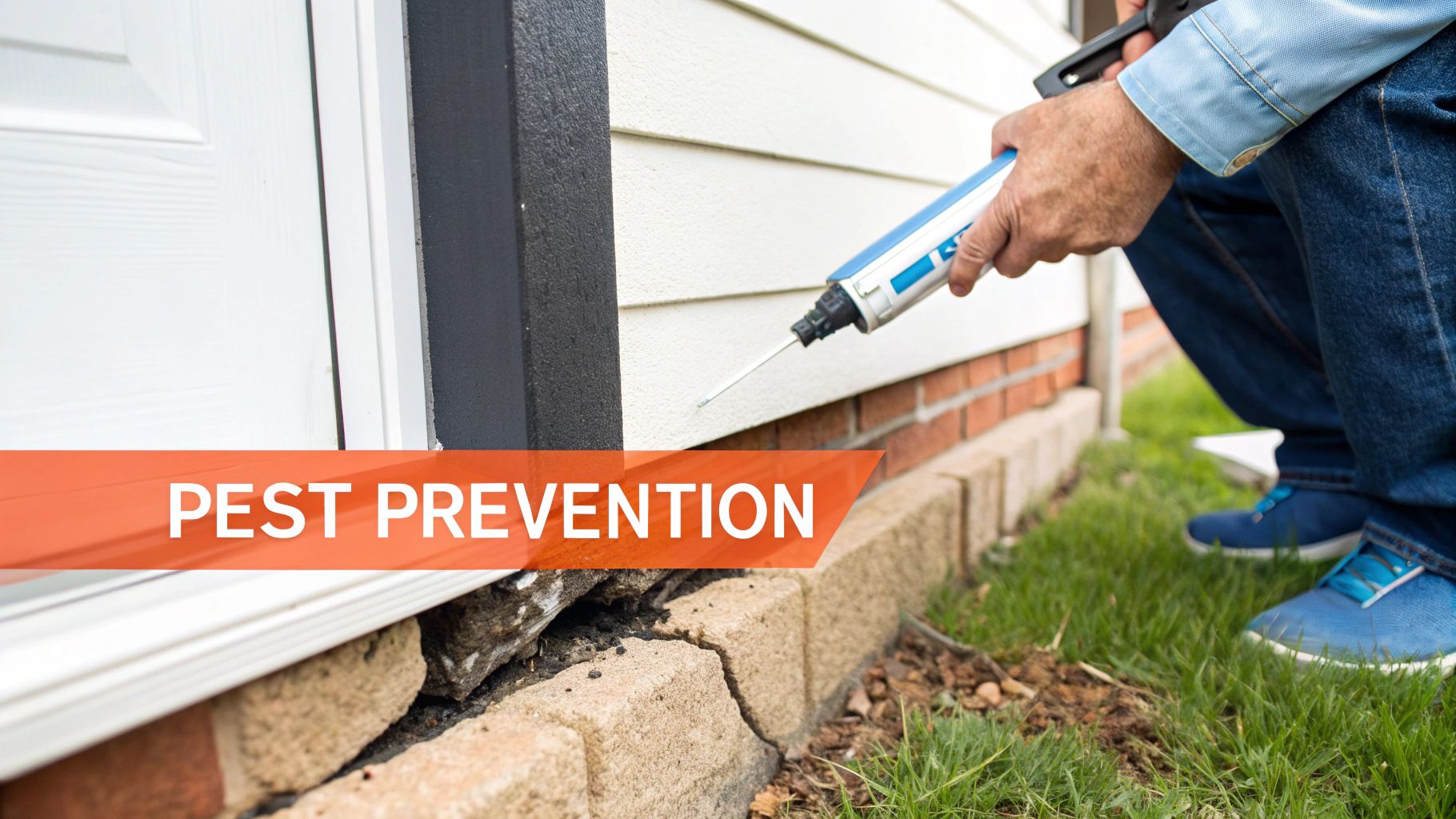
Neglecting pest control can lead to rapid property damage, from rodents chewing through wiring to termites compromising structural integrity. Infestations are a leading cause of tenant disputes and can even result in legal action if the property is deemed uninhabitable. According to the National Pest Management Association, rodents cause an estimated $20 billion in property damage in the U.S. each year, underscoring the financial risk. A preventative strategy protects your asset and maintains a positive landlord-tenant relationship.
Incorporate these tasks into your regular maintenance routine to keep pests at bay:
Pro Tip: Educate your tenants on their role in pest prevention. Provide clear guidelines in the lease or a welcome packet about proper trash disposal, keeping kitchens clean, and reporting any signs of pests immediately. A collaborative approach is the most effective defense against infestations.
| Item | Implementation Complexity 🔄 | Resource Requirements ⚡ | Expected Outcomes ⭐📊 | Ideal Use Cases 💡 | Key Advantages ⭐ |
|---|---|---|---|---|---|
| HVAC System Inspection and Filter Replacement | 🔄🔄🔄 — recurring checks + pro tune-ups | ⚡⚡⚡ — filters, monitoring, professional service | ⭐⭐⭐⭐ — 5–15% energy savings; longer equipment life 📊 | 💡 High-usage properties, hot/cold climates; schedule bi-annual pro visits | Energy savings, improved IAQ, fewer emergencies |
| Roof Inspection and Repair | 🔄🔄🔄🔄 — thorough inspections and high-skill repairs | ⚡⚡⚡⚡ — costly repairs/replacements, pro inspections | ⭐⭐⭐⭐ — prevents water damage, mold; extends roof life 📊 | 💡 Older roofs or storm-exposed properties; inspect bi-annually | Prevents major water damage, preserves structural value |
| Plumbing System Maintenance and Leak Detection | 🔄🔄🔄 — regular checks + sensor monitoring | ⚡⚡⚡ — leak sensors, plumber visits, parts | ⭐⭐⭐ — early leak detection saves major repair costs 📊 | 💡 Properties with older pipes or high water use; teach shut-off use | Reduces water waste, prevents mold and major damage |
| Electrical System Inspection and Safety Checks | 🔄🔄🔄🔄 — safety-critical, requires licensed pros | ⚡⚡⚡⚡ — electrician fees, potential upgrades | ⭐⭐⭐⭐ — reduces fire risk; ensures code/insurance compliance 📊 | 💡 Older buildings or pre-renovation inspections; inspect every 3–5 yrs | Protects tenant safety, reduces liability, enables planned upgrades |
| Gutter and Downspout Cleaning and Maintenance | 🔄🔄 — manual cleaning and periodic inspections | ⚡⚡ — labor or contractor cleaning, occasional repairs | ⭐⭐⭐ — prevents foundation/flooding issues 📊 | 💡 Tree-lined or heavy-rain properties; clean spring & fall | Low-cost prevention of foundation and landscaping damage |
| Exterior Paint, Siding, and Weatherproofing | 🔄🔄🔄 — prep, seasonal work, weather-dependent | ⚡⚡⚡ — paint/materials, contractor labor | ⭐⭐⭐ — protects structure and improves curb appeal 📊 | 💡 Visible properties or aging exteriors; quarterly checks | Prevents moisture/rot, maintains value, improves efficiency |
| Appliance Inspection, Maintenance, and Servicing | 🔄🔄 — routine checks, occasional pro service | ⚡⚡⚡ — service visits, replacement costs | ⭐⭐⭐ — extends appliance life 3–5 years; fewer failures 📊 | 💡 Furnished rentals or high-turnover units; monthly checks | Reduces emergency repairs, increases tenant satisfaction |
| Flooring Inspection and Deep Cleaning | 🔄🔄 — regular tenant cleaning + periodic pro deep clean | ⚡⚡⚡ — cleaning services, occasional replacement | ⭐⭐⭐ — maintains appearance and lifespan 📊 | 💡 High-traffic units, show-ready rentals; quarterly deep clean | Preserves appearance, improves marketability, prevents damage |
| Locks, Doors, and Security System Maintenance | 🔄🔄 — monthly checks, rekeying at turnover | ⚡⚡⚡ — locksmith fees, monitoring/subscription costs | ⭐⭐⭐⭐ — reduces break-ins and lockouts; supports claims 📊 | 💡 Multi-unit complexes, after tenant turnover; rekey on move-out | Improves security, lowers liability, boosts tenant confidence |
| Pest Control and Preventative Treatment | 🔄🔄 — regular inspections and sealing work | ⚡⚡⚡ — quarterly treatments, exclusion work | ⭐⭐⭐⭐ — prevents infestations and property damage 📊 | 💡 Food-service or dense/older properties; quarterly prevention | Cost-effective prevention, protects tenant health and property |
Navigating the extensive world of property upkeep can feel overwhelming, but the detailed checklists provided in this guide are your strategic blueprint. We have journeyed through every crucial aspect of property care, from the routine monthly smoke detector tests to the comprehensive annual roof and HVAC inspections. This isn't just a list of chores; it's a proactive system designed to transform you from a reactive landlord into a strategic asset manager.
The true power of this comprehensive rental property maintenance checklist lies not in its completion, but in its consistent implementation. The key to unlocking its value is shifting your mindset from "fixing what's broken" to "preventing breakdowns before they happen." This proactive approach is the single most effective way to protect your real estate investment, ensure tenant satisfaction, and maintain a healthy cash flow by avoiding costly, unexpected emergency repairs.
A static document has its limits. To truly master property maintenance, you must bring this checklist to life. The next steps are about creating a dynamic, living system tailored to your specific portfolio.
1. Create Your Customized Maintenance Calendar:
Transfer the monthly, seasonal, and annual tasks from this guide into a digital calendar or a spreadsheet. Assign specific weeks or even days for each task. For example, schedule "Gutter Cleaning" for the first week of April and the first week of November. This simple act of scheduling turns a vague intention into a concrete commitment.
2. Leverage Technology for Automation:
Modern property management is streamlined by technology. Use property management software or even simple calendar apps to set recurring reminders for every task. Automating these prompts ensures that nothing slips through the cracks, especially during busy periods. You can set a reminder for the first of every month to check in with tenants about potential issues and replace HVAC filters.
3. Budget for the Inevitable:
Effective maintenance requires a dedicated budget. Review the estimated costs associated with each task and create a maintenance reserve fund. A good rule of thumb is to set aside 1-3% of the property's value annually for maintenance and repairs. Having these funds readily available removes the financial stress of both planned and unplanned expenses.
Beyond the physical tasks of inspections and repairs, your greatest asset in property maintenance is a positive landlord-tenant relationship. Your tenants are your on-site partners, your eyes and ears who can spot a small leak before it becomes a major flood.
Key Insight: Proactive communication is a form of preventative maintenance. When tenants feel heard and respected, they are more likely to report minor issues promptly, saving you thousands in potential damages.
Foster this partnership by making it easy for them to report issues. Provide clear instructions on how to submit a maintenance request and always acknowledge their communication promptly, even if a fix isn't immediate. A simple text like, "Thanks for letting me know about the leaky faucet. I've received your request and will have a plumber contact you within 24 hours to schedule a visit," goes a long way in building trust and goodwill. By integrating this communication strategy, your rental property maintenance checklist becomes a collaborative tool that benefits everyone involved, solidifying your reputation as a responsible and caring landlord. This reputation not only helps in retaining great tenants but also attracts high-quality applicants for future vacancies, ultimately boosting your investment's long-term profitability and success.
As you furnish or upgrade your properties, remember that correctly assembled furniture, grills, and exercise equipment are crucial for tenant safety and satisfaction. Don't let a poorly built item become a liability; let the professionals at Assembly Smart handle it for you. Visit Assembly Smart to book an expert technician who will ensure everything is put together perfectly, saving you time and giving you peace of mind.