-
CALL US:
- (866) 952-3456

Moving to a new apartment marks an exciting chapter, but it brings a unique set of challenges that differ significantly from a house move. Navigating tight stairwells, coordinating service elevator bookings, and strategically maximizing smaller living spaces are just a few of the hurdles renters face. A successful apartment relocation demands surgical precision, thoughtful planning, and a clear, actionable strategy to avoid logistical nightmares.
This comprehensive guide is built to provide exactly that. We will walk you through 8 essential, apartment-specific moving tips designed to streamline your entire process, from initial planning to final setup. Forget generic advice; these steps are tailored for the realities of apartment living.
We will cover everything from how to declutter effectively for a smaller footprint to creating a detailed moving inventory that keeps you organized. You will learn how to arrange utilities without a hitch, plan your furniture layout to perfection, and create a realistic budget that accounts for every potential cost. By following these practical apartment moving tips, you can transform a typically stressful experience into a smooth, efficient transition, allowing you to settle into your new home with confidence and ease.
The most impactful apartment moving tip has nothing to do with boxes or tape; it’s about what you choose not to move. Decluttering is the process of systematically sorting through your belongings to decide what to keep, sell, donate, or discard. For apartment dwellers, where every square foot is precious, this isn't just about saving on moving costs, it’s about creating a more functional and organized home from day one.

This step is critical because it directly influences every other part of your move, from the number of boxes you'll need to the size of the moving truck. A family moving from a house to a two-bedroom apartment, for instance, can sell unused patio furniture and sports equipment, avoiding the hassle of moving items that simply won't fit their new lifestyle.
To make the process less overwhelming, break it down into manageable tasks. Start at least four to six weeks before your move date to give yourself ample time without feeling rushed.
Pro Tip: As you sort, take photos of valuable items you are keeping. This creates a simple visual inventory for your records and is invaluable for insurance purposes should anything get damaged in transit.
By decluttering first, you not only reduce moving-day stress but also ensure the items you do move are ones you truly need and love. For the essential furniture you decide to keep, consider professional help for reassembly. Services like Assembly Smart can expertly set up your beds, desks, and shelving, saving you time and ensuring everything is sturdy and correctly placed in your new, organized space.
Once you've decided what to keep, the next crucial step is meticulously tracking your belongings and your schedule. A moving inventory is a detailed list of everything you're moving, while a timeline breaks down every task into a manageable weekly schedule. This dual approach transforms a chaotic process into an organized, step-by-step project, minimizing the risk of lost items and last-minute panic.
This method is especially vital for apartment moving, where coordinating elevator access, parking permits, and utility transfers requires precision timing. A busy professional, for instance, can use a digital inventory app to photograph and log the contents of each box, ensuring they can locate their work-from-home setup immediately upon arrival. This systematic approach provides peace of mind and accountability for every single item.
Start your timeline at least eight weeks before your move date. This gives you ample time to book services, pack without rushing, and handle administrative tasks.
Pro Tip: Pack a "First Night" box containing essentials like toiletries, medications, a change of clothes, chargers, and basic kitchen supplies. Keep this box with you in your personal vehicle so you aren't searching for it after a long day of moving.
Integrating all your appointments into this timeline is key. When you schedule your movers for day one, book a furniture assembly service like Assembly Smart for day two. This ensures your essential items like beds and desks are built and ready for use right away, allowing you to settle into your new apartment faster and with less stress.
While it’s tempting to grab free boxes from a local store, one of the most crucial apartment moving tips is to invest in high-quality supplies. The right materials are your first line of defense against damage, especially when navigating tight apartment hallways, stairs, and elevators. Proper packing isn't just about putting things in boxes; it’s a strategic process that protects your valuables, streamlines unpacking, and prevents moving-day disasters.
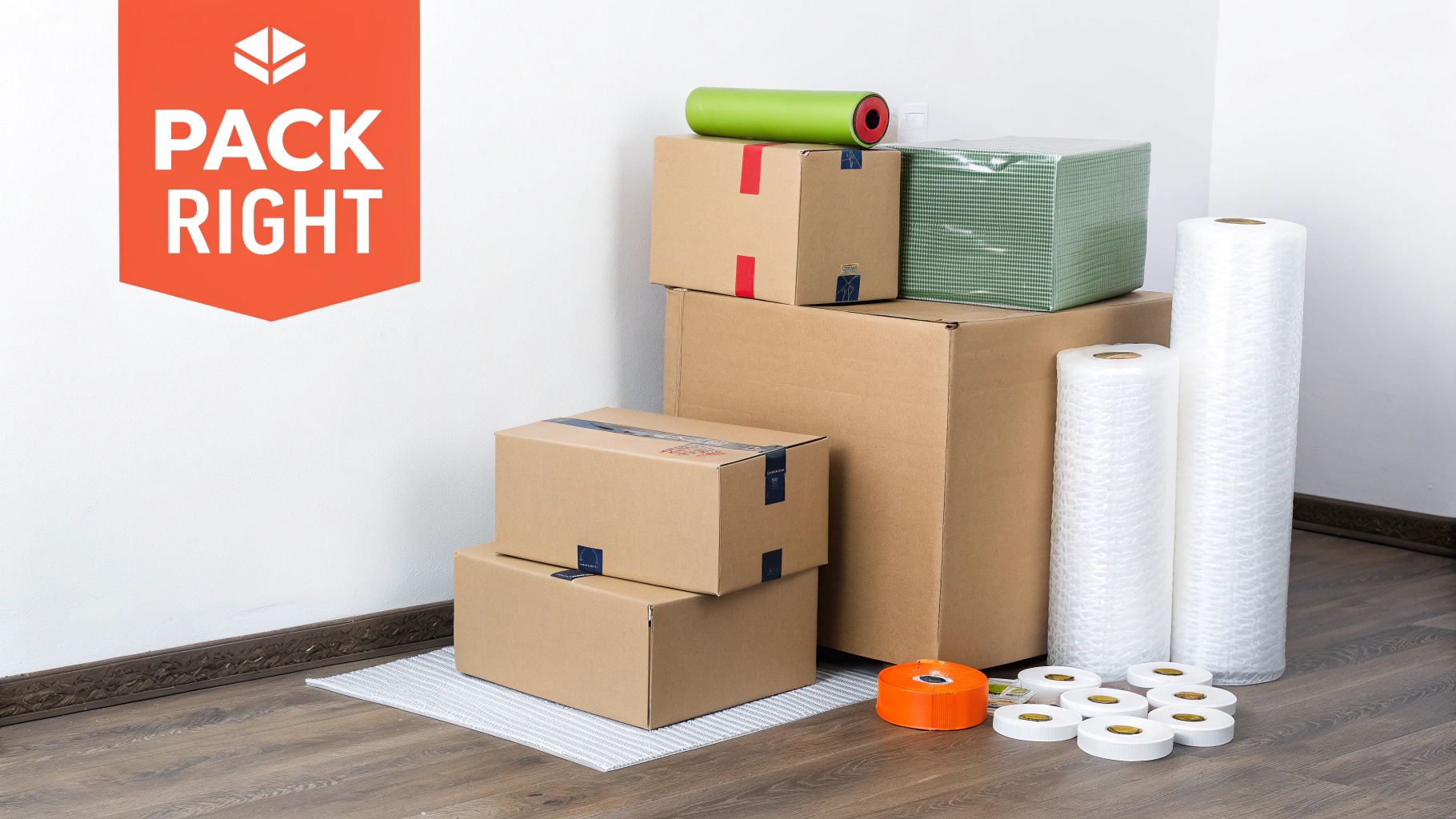
This step is vital because weak boxes can burst, and poorly packed items can break, turning a smooth move into a costly ordeal. For example, using small, sturdy "book boxes" for heavy items like books prevents the box from becoming dangerously heavy and tearing. Similarly, wrapping dishes individually in packing paper and stacking them vertically, like records, significantly reduces the risk of chipping or cracking during transit.
To ensure your belongings arrive safely, combine quality supplies with proven packing methods. Start packing non-essential items a few weeks before your move to avoid a last-minute rush.
Pro Tip: Before disassembling furniture, take photos or a short video of the process. This visual guide is a lifesaver when it’s time for reassembly, eliminating guesswork and ensuring everything goes back together correctly.
For complex pieces like bed frames or modular shelving, the reassembly process can be time-consuming and frustrating. After safely moving your items, a professional service like Assembly Smart can handle the reassembly, ensuring your furniture is put together quickly, safely, and correctly, so you can start enjoying your new apartment right away.
One of the most overlooked apartment moving tips is managing your utilities. Arriving at your new apartment with a truck full of belongings only to find the power is off or there's no running water can bring your entire move to a halt. Proactively scheduling the transfer or activation of essential services is crucial for a seamless transition, ensuring your new home is comfortable and functional from the moment you walk in.
This step involves contacting all relevant providers, from electricity and internet to gas and water, well before your move date. For a remote worker, having Wi-Fi installed a day or two after moving in is non-negotiable for their job. Similarly, a family needs hot water and a working stove to cook the first meal in their new home. Coordinating these activations prevents stressful and unnecessary delays.
Begin this process at least three to four weeks before you move to avoid last-minute scheduling conflicts, especially during peak moving seasons. A little forethought makes all the difference.
Pro Tip: Schedule your essential utility activations (power and water) for the morning of your move-in day. Once they are confirmed to be working, you can proceed with unloading and setting up your home without any interruptions.
With utilities handled, your move-in becomes much smoother. You can plug in appliances, test outlets, and begin assembling furniture right away. For complex items like entertainment centers or home office setups, which rely on power and internet, having services like Assembly Smart scheduled after your utilities are confirmed active ensures a quick, efficient, and stress-free setup.
One of the most significant decisions for any move is choosing between hiring professionals or managing it yourself. This choice fundamentally shapes your budget, timeline, and stress levels. Professional movers offer expertise, efficiency, and insurance, which is invaluable for complex or long-distance moves. Conversely, a do-it-yourself (DIY) move provides maximum cost control but demands significant personal time, physical labor, and careful planning.
The right path depends entirely on your specific circumstances. A family making a cross-country move to a high-rise apartment would benefit immensely from full-service movers like Bekins, who can handle logistics from packing to transport. However, a young professional moving across town might rent a U-Haul for boxes and clothes to save money, then use a specialized service for the heavy lifting and furniture setup.
Your decision should be based on a clear assessment of your budget, timeline, and physical capacity. Start evaluating your options at least a month before your move to secure bookings and rentals.
Pro Tip: Whether hiring pros or doing it yourself, always get everything in writing. A detailed contract or rental agreement outlining all costs, terms, and liability limits protects you from unexpected fees and misunderstandings.
Ultimately, the goal is to reduce move-day pressure. A smart hybrid solution involves managing the transport yourself while leaving complex tasks to experts. For instance, after your DIY move, a service like Assembly Smart can take over the time-consuming and often frustrating task of furniture assembly, ensuring your new apartment feels like home faster.
One of the most common moving day disasters is the dreaded "it won't fit" moment. This apartment moving tip prevents that very problem: measure everything in your new space before a single box is loaded. This goes beyond just room dimensions; it includes doorways, hallways, elevator interiors, and tight corners. Proper planning ensures your favorite sofa or heirloom dresser can actually make it into your new home, saving you stress and unexpected expenses.
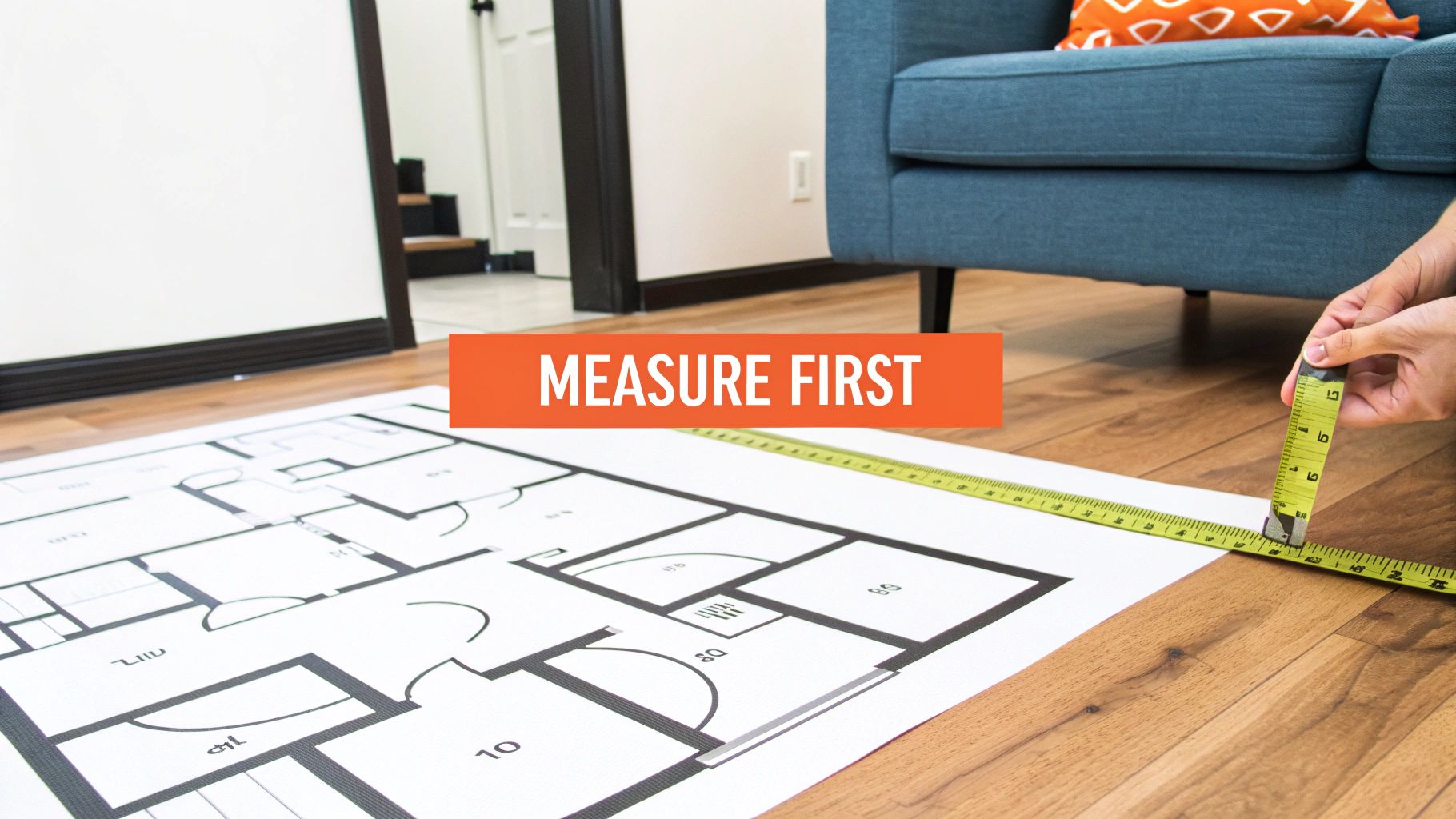
This step is non-negotiable for apartment moves, where space is at a premium and maneuvering is often restricted. Imagine a couple moving into their first apartment only to discover their new sectional sofa is too large to pivot around the hallway corner. By measuring first, they could have chosen a modular sofa or planned an alternate delivery route, avoiding a costly and frustrating ordeal on move-in day.
A little prep work with a tape measure can save a lot of headaches. Dedicate a visit to your new apartment specifically for this task, and bring a notepad, tape measure, and your phone's camera.
Pro Tip: When measuring doorways, check the "swing" of the door itself. Sometimes, removing a door from its hinges can provide the extra two inches needed to get a bulky item through.
By creating a detailed floor plan, you transform moving day from a game of chance into a well-executed strategy. Once you've finalized your layout, consider booking a service like Assembly Smart ahead of time. Their professionals can work from your plan to assemble and place furniture exactly where it needs to go, turning an empty apartment into a fully functional home in a fraction of the time.
One of the most overlooked apartment moving tips is to prepare your new space before the moving truck arrives. Establishing move-in readiness involves thoroughly inspecting, cleaning, and documenting the condition of your new apartment. This crucial step ensures you aren’t moving your life into a dirty or damaged space and provides essential documentation to protect your security deposit when you eventually move out.
This proactive preparation sets the foundation for a smooth transition. For example, a family can deep clean the kitchen and bathrooms before any boxes are brought in, ensuring a hygienic environment for their children from the very first day. Similarly, seniors can have maintenance address safety concerns, like installing grab bars, before their furniture arrives, preventing potential hazards.
Ideally, you should gain access to your new apartment a day or two before the official move. Use this time to complete a detailed walkthrough and tackle any necessary preparations without furniture and boxes in the way.
Pro Tip: Create a detailed move-in condition report and send a copy to your landlord via email. This creates a digital paper trail of the apartment's condition upon your arrival, which is invaluable for resolving any security deposit disputes later.
Once the space is clean and documented, you can focus on furniture placement. When planning your layout, especially for smaller apartments, consider expert tips for decorating a small apartment to maximize space to make your new home feel open and functional. To complete the setup, schedule Assembly Smart for the day after your move to build your furniture in a clean, prepared environment, letting you settle in faster.
A successful move is not just about logistics; it's about financial planning. Creating a comprehensive moving budget is one of the most crucial apartment moving tips because it prevents the stress of surprise expenses. Many renters focus only on the cost of movers or a truck rental, overlooking the many smaller fees that can quickly add up, turning an affordable move into a financial strain.
This step is vital because apartments come with unique costs that houses often don't, such as security deposits, amenity fees, and potentially higher utility setup charges. For example, a family might budget for the movers and boxes but forget the $200 cable installation fee and the unexpected $150 utility deposit required by the new provider, immediately putting them over budget before they've even unpacked.
Start your budget as soon as you know you're moving. A detailed spreadsheet is your best tool for tracking anticipated and actual costs, ensuring no expense is forgotten.
Pro Tip: When possible, schedule your move during the off-season (September through April). Moving companies often have lower rates during these months, which can significantly reduce your biggest expense. Also, ask companies about first-time customer discounts.
By meticulously planning your finances, you can avoid last-minute panic and ensure your transition into a new apartment is smooth and stress-free. A well-managed budget empowers you to make smart decisions, like hiring professional assemblers for complex items, knowing the cost is already accounted for.
| Item | Complexity 🔄 | Resources & Cost ⚡ | Expected Outcomes 📊 | Ideal Use Cases 💡 | Key Advantages ⭐ | Key Drawbacks |
|---|---|---|---|---|---|---|
| Declutter and Downsize Before Moving | Moderate–High — time‑intensive sorting and decisions | Low cash, high time; possible storage/sale logistics | Fewer items to move, lower moving costs, simpler unpacking 📊 | Downsizing to smaller apartments; long-distance or cost‑sensitive moves | Reduces cost and clutter; simplifies setup ⭐ | Emotional choices; donation/sale logistics; needs transition storage |
| Create a Detailed Moving Inventory and Timeline | Moderate — planning and frequent updates | Low–Medium time; may use apps/subscriptions | Prevents loss, speeds unpacking, supports claims/documentation 📊 | Large households, multiple service coordination, valuable items | Reduces chaos; improves accountability and insurance support ⭐ | Time-consuming to create/update; learning curve for tools |
| Invest in Quality Moving Supplies & Packing Techniques | Moderate — requires technique and attention | Medium–High for supplies and time spent packing | Fewer damaged items, smoother transport and claims 📊 | Fragile/valuable items, long moves, high‑value furniture | Protects belongings; lowers damage risk during transit ⭐ | Higher upfront cost; more time needed to pack properly |
| Arrange Utilities & Services Ahead of Move-In Day | Low–Moderate — scheduling with providers | Low cash but possible deposits/installation fees | Utilities ready on arrival; fewer disruptions and delays 📊 | Remote workers, first‑night comfort, appliance‑dependent moves | Immediate comfort; avoids emergency service calls ⭐ | Coordination across providers; deposit/appointment timing issues |
| Hire Professional Movers or Plan DIY Moving | Variable — high for DIY, lower when hiring pros | High cost for professionals; low cash but high labor/time for DIY | Faster and safer with pros; cheaper but riskier DIY 📊 | Long-distance or heavy/furniture moves use pros; small/local moves DIY | Pros: efficiency & insurance; DIY: cost savings ⭐ | Pros expensive; DIY increases injury/damage risk and coordination burden |
| Plan Furniture Layout & Measurements Before Move-In | Low–Moderate — careful measuring and planning | Low cost (tape/apps); modest time investment | Prevents fit issues; optimizes space and furniture selection 📊 | Tight apartments, new furniture purchases, complex room layouts | Avoids costly returns and moving delays; better space use ⭐ | Measurement errors are costly; digital tools have learning curves |
| Prepare New Apartment & Establish Move-In Readiness | Moderate — inspection, cleaning, maintenance coordination | Low–Medium cost for cleaning/repairs; time needed | Documented condition, clean ready space, protects deposit 📊 | Renters concerned about deposits; moves requiring repairs before setup | Protects security deposit; enables smooth furniture setup ⭐ | Time and potential extra cost; landlord response delays |
| Set Up a Moving Budget & Avoid Hidden Costs | Moderate — research and itemization required | Low direct cost to plan; saves money by forecasting fees | Fewer financial surprises; better allocation of funds 📊 | Budget‑conscious movers; first‑time movers tracking expenses | Prevents overspend; identifies cost‑saving opportunities ⭐ | Estimations can be inaccurate; requires detailed research |
Moving into a new apartment is more than just a change of address; it's the beginning of a new chapter. The journey from a space filled with sealed boxes to a comfortable, functional home can feel overwhelming, but with the right strategy, it becomes a rewarding and streamlined process. The apartment moving tips we've covered are designed to give you that strategic advantage, transforming a potentially chaotic experience into a well-orchestrated transition. By embracing a proactive mindset, you take control of the entire move, from the initial decluttering phase to the final placement of your favorite armchair.
The core theme connecting all these strategies is foresight. A successful move doesn't happen by accident. It’s the result of deliberate planning and thoughtful execution. Let’s quickly revisit the key pillars that support a stress-free apartment move:
The single most important takeaway is this: your move isn't finished when the last box is inside. It's finished when your apartment feels like a home. This is often where exhaustion sets in, leaving you to face a mountain of flat-pack furniture, confusing instruction manuals, and a bag full of tiny, mysterious hardware. This final assembly phase is a critical, and often underestimated, part of the process.
Instead of dedicating your first precious days in a new home to deciphering diagrams and wrestling with Allen wrenches, you can choose to fast-track your comfort. The ultimate apartment moving tip is knowing when to delegate. Handing off the complex and time-consuming task of furniture assembly allows you to immediately focus on what truly matters: unpacking personal items, organizing your kitchen, and simply enjoying the new space you worked so hard to secure. By implementing these expert apartment moving tips, you’re not just moving your belongings; you're setting the stage for a happy, organized, and comfortable life in your new home from the very first day.
Ready to skip the frustration and start enjoying your new apartment immediately? Let the professionals at Assembly Smart handle the final, most tedious step of your move. Their experienced technicians can build your new furniture quickly and correctly, transforming your empty rooms into a fully functional home. Visit Assembly Smart to get a free quote and book your next-day appointment.