-
CALL US:
- (866) 952-3456

Falls represent a significant yet preventable risk for seniors, with the Centers for Disease Control and Prevention reporting that one in four older adults in the U.S. experiences a fall each year. But effective fall prevention goes far beyond simply telling a loved one to 'be careful.' It requires a proactive, multi-faceted strategy that addresses the environment, physical health, and daily habits. Generic advice often falls short, leaving families uncertain about the most impactful actions they can take to safeguard their aging relatives.
This comprehensive guide moves past the obvious to provide eight critical, actionable fall prevention tips for elderly individuals and their caregivers. We will provide specific, evidence-backed strategies that empower seniors to maintain their independence and safety for as long as possible. You will learn practical steps, from simple home modifications and environmental hazard removal to crucial health conversations about medication management and regular vision assessments.
Our goal is to equip you with the knowledge to build a robust safety net. This listicle breaks down complex topics like balance training programs, proper footwear selection, and managing conditions like orthostatic hypotension into digestible, easy-to-implement steps. By understanding the root causes of falls and addressing them directly, you can make a tangible difference in the quality of life for the people you care about most. Let’s delve into the practical steps you can take today.
Your home should be a sanctuary, but hidden hazards can turn it into an obstacle course. Since nearly 80% of falls among older adults happen at home, modifying the living environment is one of the most effective fall prevention tips for elderly individuals. This foundational step involves systematically identifying and eliminating potential dangers, creating a space that supports safe, independent living.
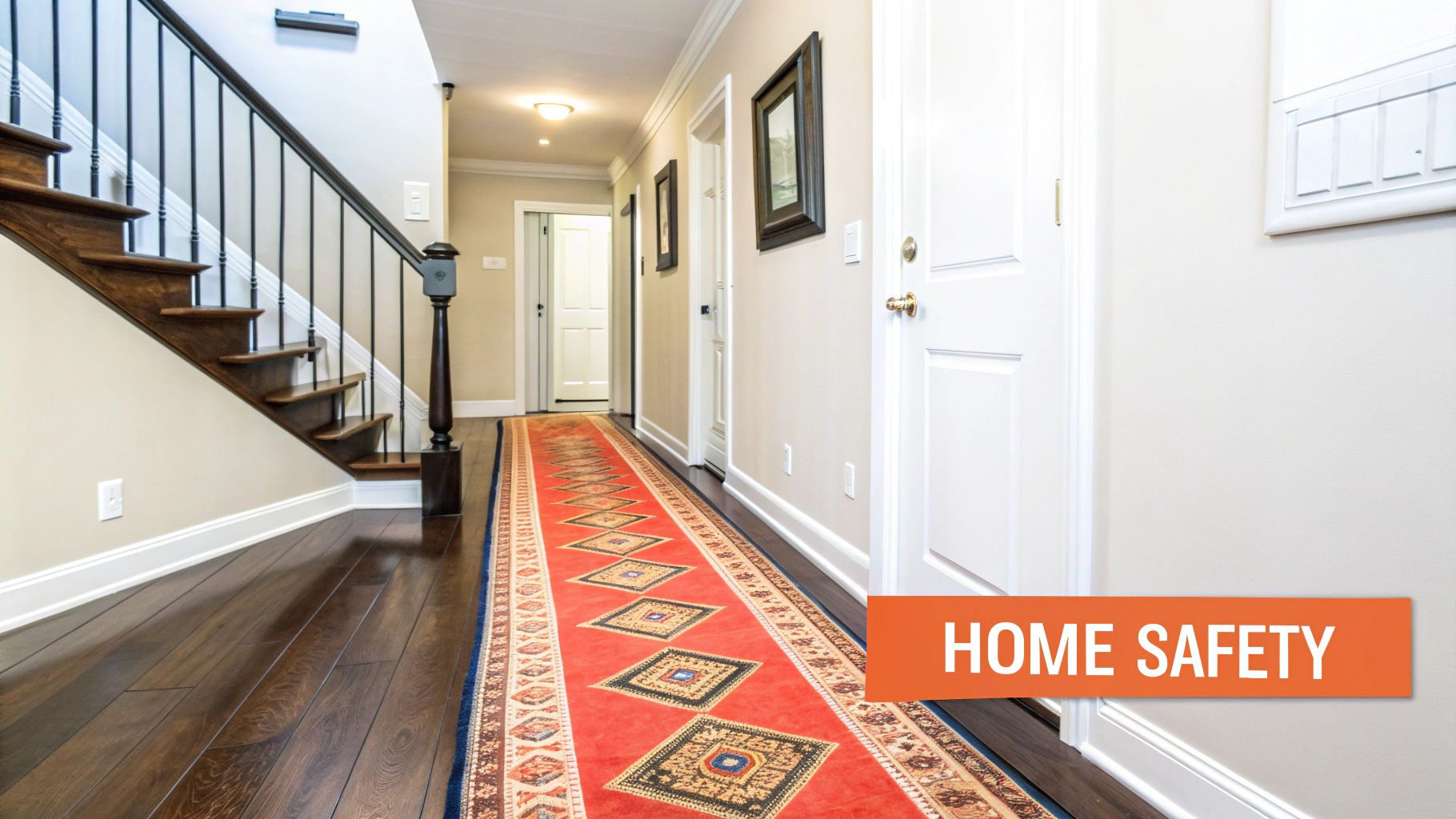
The goal is to reduce the physical demands of navigating the home, minimizing the risk of trips, slips, and stumbles. This proactive approach transforms the environment from a potential threat into a supportive asset for daily activities.
Start by conducting a thorough home safety audit, room by room. Pay special attention to high-traffic and high-risk areas.
Pro Tip: When installing grab bars, ensure they are rated to support at least 250 pounds and are anchored directly into wall studs, not just drywall. Professional installation is highly recommended for this critical safety feature.
Beyond year-round modifications, it's crucial to address seasonal environmental risks, such as those covered in Cleveland winter safety tips for seniors, to ensure safety both inside and outside the home. For a more exhaustive checklist on making your living space safer, you can explore additional home modifications for the elderly on assemblysmart.com.
Our senses are our primary tools for navigating the world, and even slight declines in vision or hearing can dramatically increase the risk of a fall. Regular sensory assessments are a critical component of any effective fall prevention plan for elderly individuals. Impaired vision can obscure trip hazards like a stray cord or an uneven step, while poor hearing can mean missing an audible warning from a caregiver or the sound of an approaching vehicle.
Maintaining optimal sensory function helps ensure an accurate perception of the surrounding environment. This proactive health measure allows for early detection and correction of issues, empowering seniors to move with greater confidence and stability.
Addressing both vision and hearing is essential, as these senses often work together to maintain balance and spatial awareness.
Pro Tip: When getting new multifocal or bifocal lenses, practice walking around a safe, familiar space like your home first. Pay special attention to looking through the correct part of the lens when going up or down stairs to avoid misjudging distances.
Organizations like the American Academy of Ophthalmology and Prevent Blindness America provide extensive resources on maintaining eye health in later years. For more information on age-related vision changes and how they can affect daily life and safety, visit the National Institute on Aging's page on aging and eye health.
While home modifications address external hazards, regular exercise tackles the internal factors that contribute to falls, such as declining strength, poor balance, and reduced flexibility. Engaging in structured physical activity is one of the most proactive and empowering fall prevention tips for elderly individuals. It directly improves the body's ability to maintain stability and react effectively to unexpected shifts in balance.
The goal of these programs is not high-intensity training but consistent, targeted movement that builds a stronger, more resilient physical foundation. By enhancing muscle strength, particularly in the legs and core, and improving the body's proprioceptive system (its sense of position in space), exercise makes it easier to perform daily activities safely and confidently.
A well-rounded program combines different types of exercises to address various aspects of physical fitness. It's crucial to consult a doctor or physical therapist before beginning any new regimen.
Pro Tip: Consider joining a structured class designed for seniors. Studies have shown that programs like Tai Chi can reduce the risk of falls by as much as 47% by integrating slow, controlled movements with balance and coordination training.
For those who prefer to exercise in the comfort of their home, creating a safe and effective workout space is essential. You can discover some excellent options for home exercise equipment for seniors on assemblysmart.com to support your fitness journey.
While medications are essential for managing health conditions, they can also introduce significant fall risks. Certain drugs and, more importantly, the interaction between multiple drugs (a condition known as polypharmacy) can cause side effects like dizziness, drowsiness, confusion, and a sudden drop in blood pressure upon standing. A thorough medication review is one of the most critical fall prevention tips for elderly individuals, as it directly addresses these pharmacological hazards.
This proactive process involves working closely with a healthcare provider to evaluate every prescription, over-the-counter drug, and supplement being taken. The goal is to identify and mitigate potential side effects that could impair balance, cognition, or stability, thereby reducing the likelihood of a medication-related fall. This is a vital step in creating a comprehensive safety plan.
A systematic approach to medication review ensures that the benefits of each drug outweigh its potential risks. This is not about stopping necessary treatments, but about optimizing them for safety and efficacy.
Pro Tip: Never stop or change the dose of a medication without consulting your doctor first. Abruptly stopping certain drugs can cause serious withdrawal symptoms or a worsening of your underlying health condition. Always follow professional medical guidance.
Managing medications is an ongoing dialogue between you and your healthcare team. By taking an active role, you can significantly reduce one of the most common, yet often overlooked, causes of falls in older adults.
What you wear on your feet can have a direct and significant impact on your stability and balance. Proper footwear selection and routine foot care are often-overlooked yet critical fall prevention tips for elderly individuals. The right shoes provide essential support, grip, and a firm foundation, while healthy feet allow for a steady, confident gait, significantly reducing the risk of a fall.
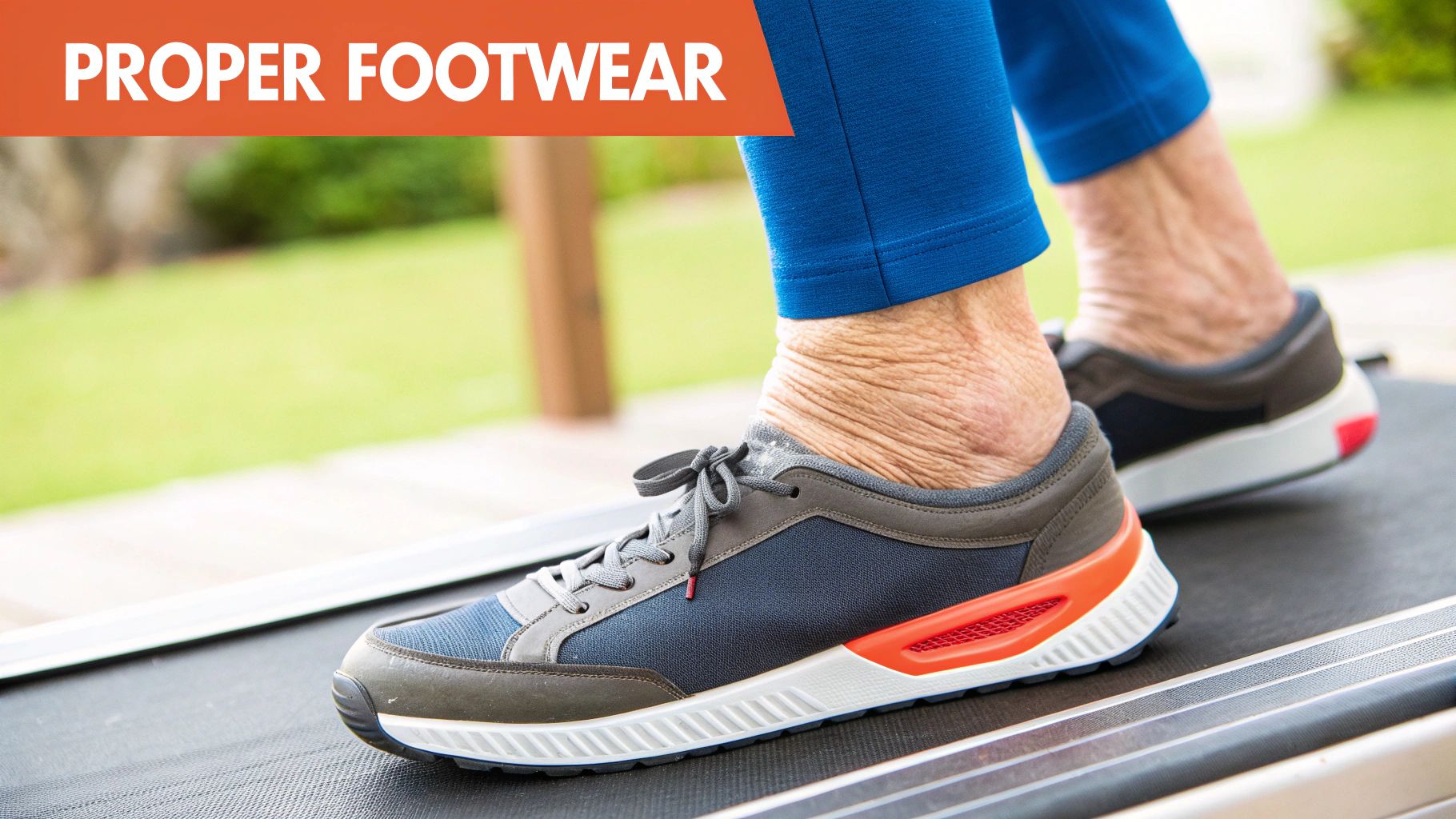
Neglecting foot health or choosing inappropriate footwear, such as loose-fitting slippers or high heels, can create instability and lead to trips and slips. This proactive measure ensures the body’s base is secure, translating to safer mobility throughout the day. For instance, studies have shown that switching from slippers to supportive, well-fitting shoes can reduce fall incidents by a significant margin.
Focus on both the shoes you wear and the health of your feet. This dual approach provides a comprehensive safety net against balance-related falls.
Pro Tip: Never walk around in socks or stocking feet on smooth surfaces like hardwood or tile floors. These materials offer almost no traction and are a leading cause of indoor slips and falls. Always wear supportive, non-slip shoes or slippers inside the home.
Establishing a routine of putting on supportive shoes each morning can make a world of difference. To make this habit easier, consider exploring bench and shoe storage solutions on assemblysmart.com, which provide a safe, stable place to sit while changing footwear.
Properly fitted mobility aids are more than just walking supports; they are extensions of personal stability and confidence. For older adults experiencing challenges with balance, strength, or gait, the strategic use of devices like canes and walkers is a critical component of effective fall prevention. These tools provide a wider base of support, redistribute weight, and help individuals navigate their environment safely.
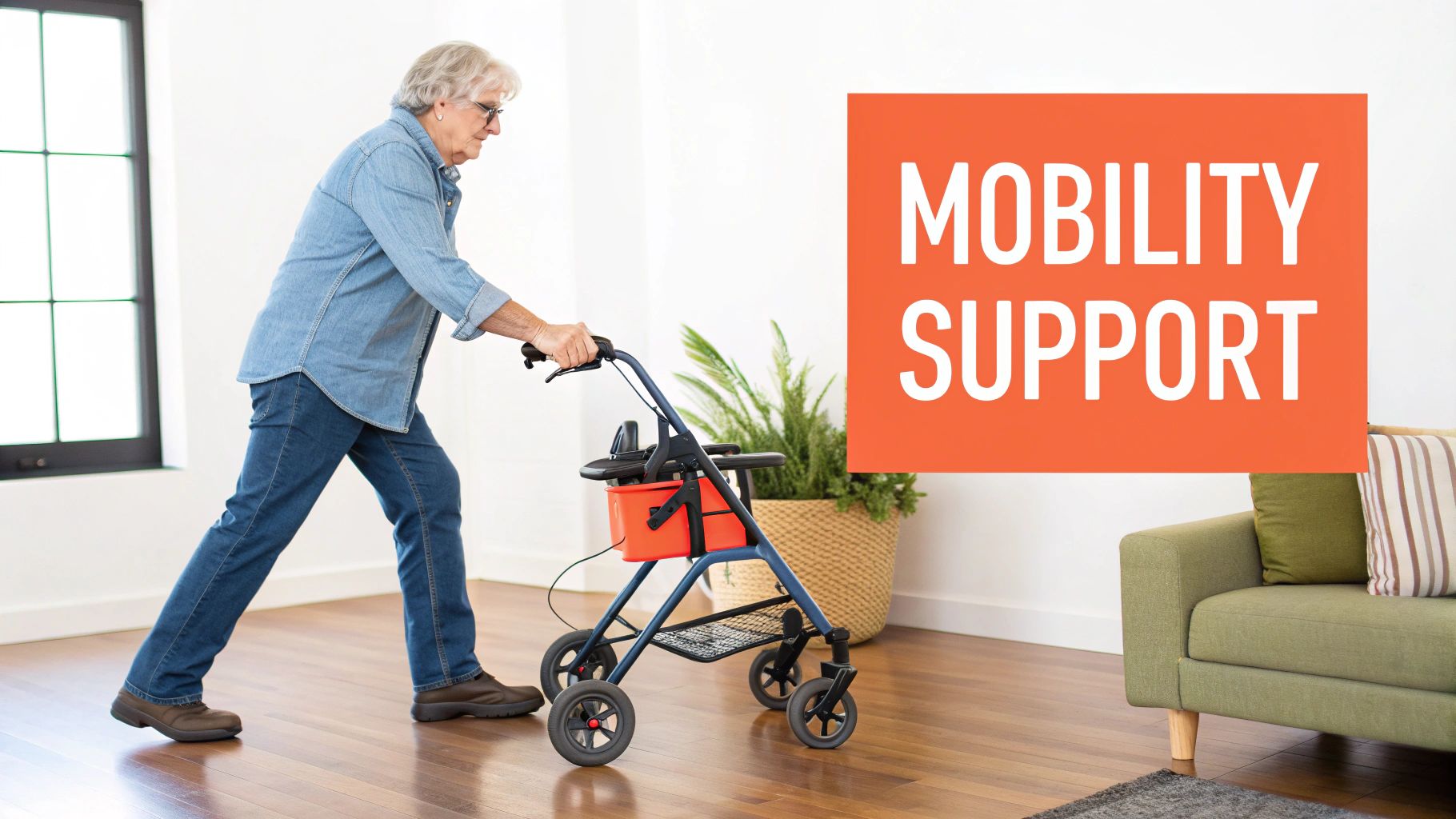
The primary goal is to enhance stability where it has been compromised, allowing for continued independence and activity. Using a mobility aid can reduce the physical and cognitive load of walking, freeing up energy and focus to better avoid environmental hazards.
Choosing and using a device correctly is just as important as deciding to use one. A poorly fitted or improperly used aid can create a new fall risk.
Pro Tip: A rollator with a seat and brakes can be an excellent choice for longer distances or for individuals who experience fatigue, providing a built-in opportunity for a safe, stable rest. Always ensure the brakes are locked before attempting to sit down.
Understanding the full range of options is key to making an informed choice that supports your lifestyle. For an in-depth guide, you can find a comprehensive overview of various mobility aids for seniors on assemblysmart.com.
Cognitive health is intrinsically linked to physical stability. For older adults, conditions like dementia, Alzheimer's disease, or even temporary confusion can significantly impair judgment, spatial awareness, and the ability to navigate safely. This makes managing cognitive well-being a crucial and often overlooked aspect of comprehensive fall prevention tips for elderly individuals.
Cognitive decline can lead to poor decision-making, such as attempting to use an unsteady object for support, or a decreased awareness of environmental hazards. By proactively assessing and managing cognitive function, caregivers and seniors can address a root cause of many preventable falls, creating a safer reality that accounts for both physical and mental capabilities.
Integrating cognitive support into a fall prevention plan requires a multi-faceted approach. This involves regular medical oversight, environmental adjustments, and establishing supportive daily routines.
Pro Tip: If you observe a sudden onset of confusion, memory loss, or disorientation in an older adult, contact their healthcare provider immediately. This could be a sign of a treatable condition like a urinary tract infection (UTI) or a dangerous medication interaction, both of which are common and reversible causes of acute confusion that elevate fall risk.
Maintaining mental stimulation through social engagement, puzzles, and hobbies is also essential for protecting cognitive function. For tailored strategies and support, organizations like the Alzheimer's Association provide extensive resources for families navigating cognitive challenges.
Sudden dizziness or lightheadedness upon standing can be disorienting and dangerous, often leading directly to a fall. This sensation is frequently caused by orthostatic hypotension, a form of low blood pressure that happens when you stand up from sitting or lying down. Regularly monitoring blood pressure and managing this condition is a critical component of any comprehensive plan for fall prevention tips for elderly adults.
Effectively managing blood pressure fluctuations prevents the dizzy spells that can precede a fall. By understanding and controlling these physiological responses, older adults can maintain their balance and stability during routine movements like getting out of bed or a chair.
A proactive approach involves both monitoring and behavioral adjustments. Consistent tracking helps identify patterns, while simple lifestyle changes can significantly mitigate the risk.
Pro Tip: When getting out of bed, try pumping your ankles up and down a few times before sitting up. This simple action helps increase blood flow from your legs and can reduce the risk of dizziness upon standing.
Understanding how to maintain healthy blood pressure is crucial, especially when considering conditions like orthostatic hypotension that increase fall risk. For a detailed guide on this topic, consider reading about managing blood pressure effectively. Always report persistent dizziness to your healthcare provider to rule out underlying issues and adjust your management plan.
| Intervention | Implementation 🔄 | Resources ⚡ | Effectiveness ⭐ | Impact 📊 | Ideal use cases & key advantages 💡 |
|---|---|---|---|---|---|
| Home Safety Modifications and Environmental Hazard Removal | Moderate 🔄: home safety audit; some professional installs | Low–Moderate ⚡: basic materials, occasional contractor | High ⭐⭐⭐ | Reduces fall risk ~26–50%; immediate environmental benefit | Widely applicable — best first step; improves accessibility and independence |
| Regular Vision and Hearing Assessments | Low 🔄: schedule annual specialist visits | Low–Moderate ⚡: exams; hearing aids may be costly | Moderate–High ⭐⭐️⭐ | Untreated vision increases fall risk ~2.5x; cataract correction improves depth perception | Ideal for seniors with sensory decline; early detection improves safety and QOL |
| Regular Exercise and Balance Training Programs | Moderate–High 🔄: sustained routine; may need instructor/PT | Moderate ⚡: time commitment, possible class or PT fees | High ⭐⭐⭐ | Reduces falls 20–47% (Otago ~35%, Tai Chi ~47%); improves strength & balance | Best for prevention and rehabilitation; boosts mobility, confidence, bone health |
| Medication Review and Management | Moderate 🔄: coordinated medication audits across providers | Low ⚡: clinician time; potential cost savings | High ⭐⭐⭐ | Stopping sedatives can reduce falls ~40%; polypharmacy (4+) ↑ risk ~50% | Essential for those on multiple meds or with dizziness—removes multiple risk factors |
| Proper Footwear Selection and Foot Care | Low 🔄: education and fitting; periodic podiatry | Low–Moderate ⚡: shoes, occasional specialist visits | Moderate ⭐⭐ | Proper footwear reduces fall risk ~15–20%; immediate stability gains | Easy, affordable intervention for those wearing unsafe shoes or with foot issues |
| Assistive Devices and Mobility Aids | Moderate 🔄: device selection, fitting, and training | Low–Moderate ⚡: device purchase and training | Moderate–High ⭐⭐️⭐ | Proper use reduces falls in high-risk individuals ~20–30%; increases mobility | Ideal for mobility/balance deficits; provides immediate stability and independence |
| Cognitive Assessment and Management of Dementia/Confusion | High 🔄: screening, diagnosis, ongoing management, supervision | High ⚡: specialist care, caregiver time, monitoring systems | Moderate ⭐⭐ | Dementia ↑ fall risk 6–10x; supervision and management reduce incidents | Critical for cognitively impaired seniors; emphasizes supervision, routines, caregiver support |
| Blood Pressure Monitoring and Orthostatic Hypotension Management | Low–Moderate 🔄: routine home monitoring, med/timing adjustments | Low ⚡: home BP monitor, clinician input | Moderate–High ⭐⭐️⭐ | Orthostatic hypotension ↑ fall risk ~40–50%; corrections reduce dizziness-related falls | Best for those with syncope/dizziness or on antihypertensives; low-cost and effective |
Throughout this guide, we've explored a multi-faceted strategy for enhancing the safety and independence of older adults. We have moved beyond simple advice, delving into eight critical pillars of a comprehensive fall prevention plan: from meticulously modifying the home environment and managing medications to prioritizing physical conditioning and ensuring regular health check-ups. The journey to a safer living space isn't about a single solution but about weaving these individual threads into a strong, resilient safety net.
The core message is one of proactive engagement rather than reactive crisis management. Waiting for a fall to occur before taking action is a risk no family should have to take. Instead, this framework empowers you to be an architect of safety, building layers of protection that address physical health, environmental hazards, and cognitive well-being simultaneously. Mastering these fall prevention tips for elderly loved ones is not just about avoiding injury; it's about preserving dignity, fostering confidence, and extending the years of active, independent living.
Understanding the risks is the first step, but tangible action is what truly creates change. To help you transition from reading to doing, here is a concise summary of the most critical takeaways and your immediate next steps:
Individually, each tip offers a degree of protection. A grab bar in the shower is helpful. A medication review is crucial. But their true power is unleashed when they are combined. Imagine an older adult with improved vision from a new eyeglass prescription, wearing supportive, non-slip shoes. They are walking through a well-lit, clutter-free hallway on their way to a bathroom equipped with grab bars and a raised toilet seat. This layered approach is the gold standard for fall prevention.
This strategy transforms a home from a collection of potential hazards into a supportive sanctuary. It acknowledges that human factors like dizziness or momentary imbalance can happen, but it ensures the environment is forgiving. This comprehensive mindset is the most valuable tool in your arsenal of fall prevention tips for elderly family members, creating a robust system that accounts for the complexities of aging. By embracing this holistic view, you are not just preventing falls; you are actively promoting a higher quality of life, filled with more confidence and fewer limitations.
Ready to implement crucial home safety modifications like installing grab bars, assembling supportive furniture, or setting up home exercise equipment? For a secure, professional, and worry-free installation, trust the experts at Assembly Smart. Visit Assembly Smart to book a service and ensure your fall prevention hardware is assembled correctly the first time.