-
CALL US:
- (866) 952-3456

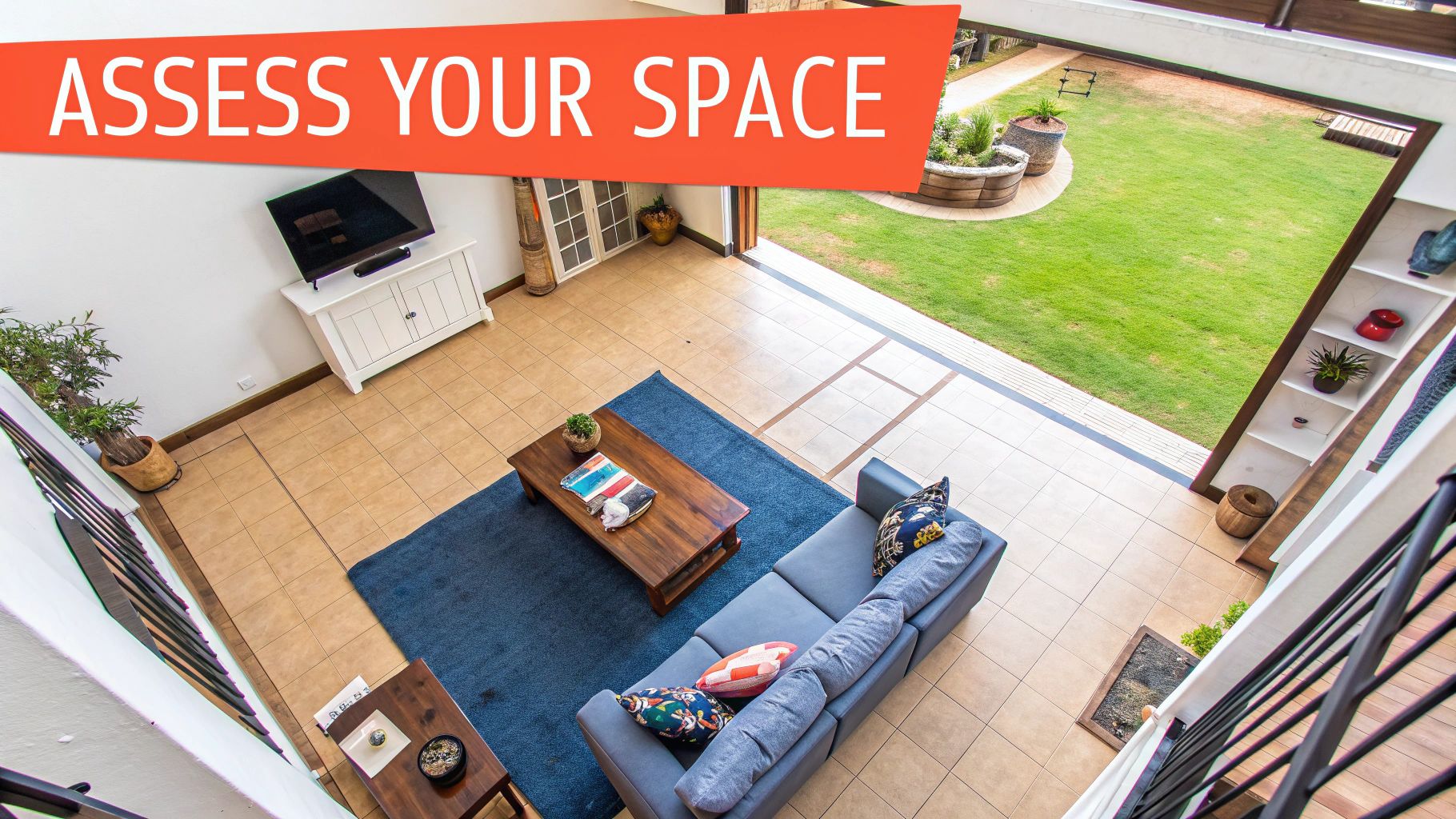
Before we dive into arranging furniture, let's talk about understanding your living room. Forget those perfect Pinterest boards for a second and think about your actual life. The best living rooms aren't about copying magazines—they're about working for you. It's like being a detective in your own home.
For example, think about your mornings. Do you head straight for the coffee, completely ignoring that comfy armchair you swore you'd use daily? Where does the sunlight land during the day, creating those inviting warm spots? These questions reveal how you really move around your space. This is the key to arranging furniture that feels natural and welcoming.
Also, consider your room's architecture. Do you have a fireplace that's just begging to be the center of attention? Or maybe an awkward corner that seems to fight every furniture arrangement? A big window might flood the room with light, making it the perfect reading nook. These features can either be your best friend or your worst enemy, so figure them out early. For accurate furniture placement, check out this guide on how to measure furniture.
This careful observation helps you make smart furniture choices, too. That amazing sectional might look fantastic online, but will it fit your lifestyle? Do you host a lot, needing plenty of seating? Or are you more about movie nights with the family, wanting a cozy setup? Honesty is key here. Don't buy something just because it looks nice; choose pieces that fit your actual life.
Doing this groundwork—assessing your room and your needs—saves you from the headache of a beautiful but unusable space. By understanding your room's strengths and weaknesses, and how you live in it, you'll be well on your way to a living room that looks great and feels perfect every day.
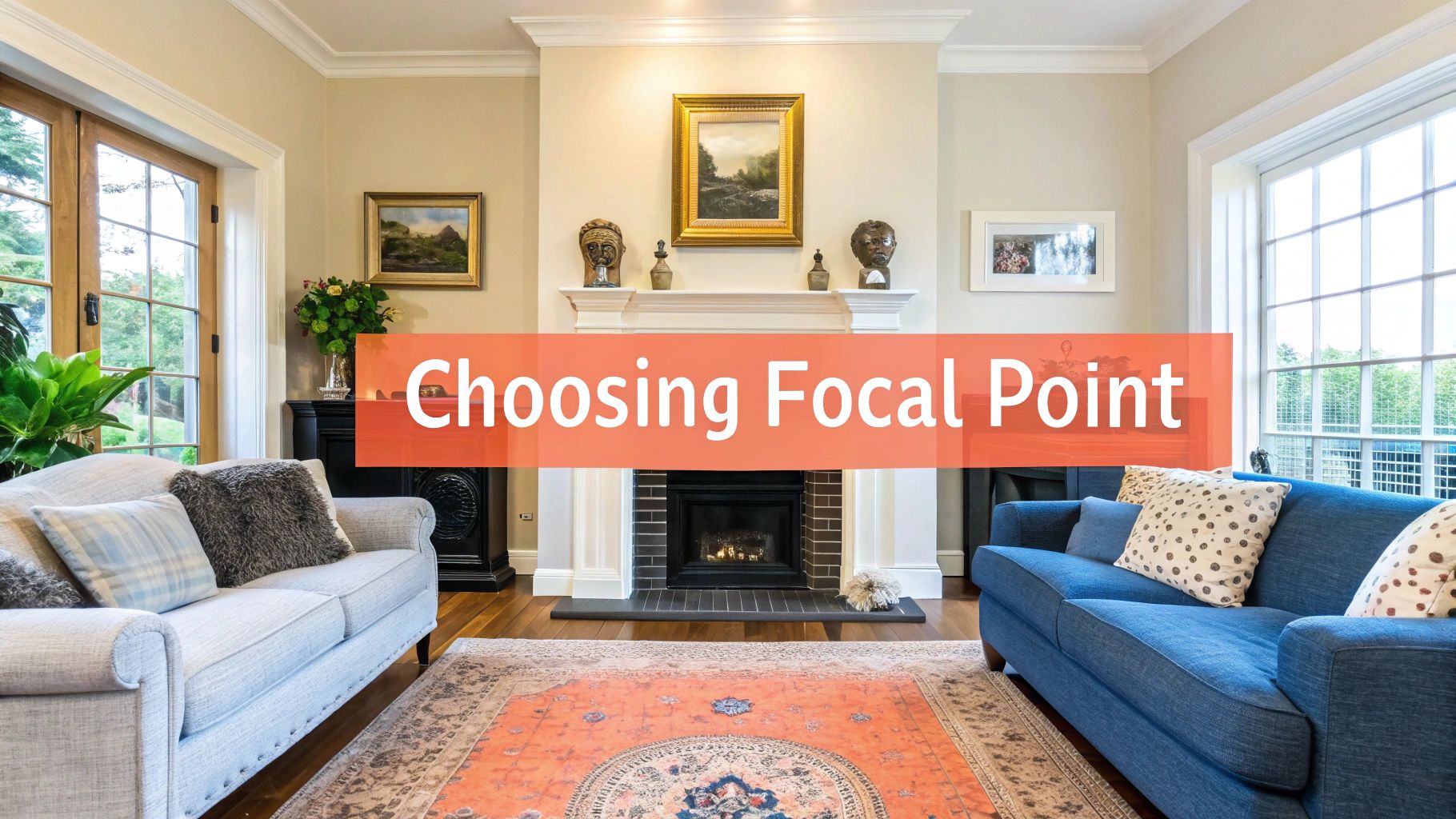
So, you've figured out your living room's quirks and how your family uses it. Now comes the fun part: arranging your furniture to create a space you'll actually love. This is where the real magic happens. After my own decorating adventures (and, let's be honest, a few decorating disasters!), I've learned that the best living room layouts aren't about perfectly copying magazine spreads. They're about creating a space that works for your life.
One of the biggest mistakes I see people make is setting up these stiff, formal conversation areas. Picture this: the furniture is arranged perfectly, but it feels strangely awkward to actually talk to anyone. Been there? The key is to create a natural flow. Instead of placing chairs directly facing each other like they're about to have a showdown, try angling them slightly. This creates a much more relaxed and inviting atmosphere.
Another common challenge is the "TV takeover." Unless your goal is a dedicated home theater, your living room shouldn't feel like one. If you have a fireplace, consider which deserves to be the star of the show. If it's the TV, mounting it above the fireplace (making sure it's at a comfortable viewing height) can be a great solution. If the fireplace is the focal point, arrange your furniture to highlight that beautiful hearth, then cleverly angle the seating towards the TV. It's all about balance.
Don't be afraid to pull your furniture away from the walls. I know, it might seem counterintuitive, especially if you're working with a smaller room. But trust me, floating furniture away from the walls can actually create a sense of spaciousness and define separate zones within the room. This trick can make large rooms feel cozier and small rooms feel surprisingly bigger. You might be shocked at how much more usable floor space you gain! Speaking of comfort, it's interesting to see that over 75% of furniture buyers prioritize comfort, with 65% focusing on durability. This shows a clear trend towards furniture arrangements that are both beautiful and practical. You can find more fascinating insights into living room furniture trends here.
Consider different layout styles based on how you actually use your living room. Do you entertain often? A U-shaped layout with a big, comfy sectional might be perfect for maximizing seating. Is your living room mainly for relaxing and unwinding? A more intimate arrangement with a few comfy armchairs could be a better fit. Even if you love the look of IKEA furniture, assembly can be a real headache. If that sounds familiar, you might be interested in IKEA Furniture Assembly Services. Experiment! Play around with different configurations until you find what truly reflects your lifestyle.
To help you visualize some options, I've put together this handy comparison table:
Living Room Layout Styles Comparison: This table compares different furniture arrangement styles to help you find the best fit for your room size, function, and lifestyle.
| Layout Style | Best For | Room Size | Key Benefits | Potential Drawbacks |
|---|---|---|---|---|
| U-Shaped | Large gatherings, families | Medium to Large | Maximizes seating, creates a cozy and conversational atmosphere | Can feel closed off in smaller rooms, might not be ideal for TV viewing |
| L-Shaped | Conversation, TV viewing | Small to Large | Defines the space well, works well in open-concept layouts | Can limit seating depending on the size of the sectional or sofa |
| Symmetrical | Formal living rooms, balanced feel | Medium to Large | Creates a sense of order and elegance, ideal for showcasing a focal point like a fireplace | Can feel stiff and less inviting for casual gatherings |
| Asymmetrical | Casual living rooms, flexible use | Small to Large | Creates a dynamic and visually interesting space, allows for more creative furniture placement | Requires careful planning to achieve balance, might not be suitable for all room shapes |
| Floating | Defining zones, maximizing space | Small to Large | Creates a sense of spaciousness, allows for flexible furniture arrangements | Can make a room feel less grounded if not done carefully |
As you can see, each layout offers its own set of advantages and disadvantages. The key is to choose the style that best supports your lifestyle and the way you use your living room. Remember, it’s all about building a living room that supports your real life, not a perfectly staged version you see in magazines.
Let's be honest, completely refurnishing a living room can be expensive. Sometimes the biggest impact comes from simply rearranging what you already have and getting a little creative! I've seen some truly stunning living rooms built around hand-me-down furniture and a fresh perspective. It's all about looking at your existing pieces with a new set of eyes.
That dining room chair that’s rarely used? It might be the perfect accent chair for your living room. And that coffee table that feels too big? Maybe it’s destined for a stylish side hustle as a side table.
This is where you tap into your inner "furniture whisperer." Figure out which pieces are working too hard (like a bulky sofa that overwhelms the room) and which aren't contributing much at all (like that decorative table that's become a magnet for clutter). Think about their hidden potential. Could a console table be more effective behind the sofa? Could a small armchair become the anchor for a cozy reading nook? The goal is to maximize what you already have before you even consider buying anything new.
This approach actually aligns with current consumer trends. It's interesting to note that nearly 60% of consumers now prioritize versatile furniture that can be easily rearranged or repurposed. For a deeper dive into these evolving preferences, check out the latest trends in living room furniture here.
Inherited furniture or pieces that have seen better days can sometimes feel more like a burden than a blessing. But don't worry! There are smart ways to revive them and give them a fresh lease on life. A new coat of paint can do wonders for a tired wooden piece, instantly modernizing its look and making it feel more like a deliberate choice. Reupholstering a dated armchair can transform it into a stylish statement piece.
And don't be afraid to mix and match styles! A vintage armchair can add so much character to a room with modern furniture, creating a look that’s uniquely you.
We all have that one piece of furniture we love, but that just doesn't seem to fit in anywhere. It's too big, too bulky, or it just defies all attempts at arrangement. Instead of giving up, embrace the challenge! That oversized armchair you’ve been struggling with? It could be perfect for creating a dedicated reading nook. A large coffee table can be visually broken down with strategically placed trays or decorative objects.
It's all about finding creative solutions and working with the piece, not against it. Remember, arranging living room furniture is a fluid process. Don't be afraid to experiment!
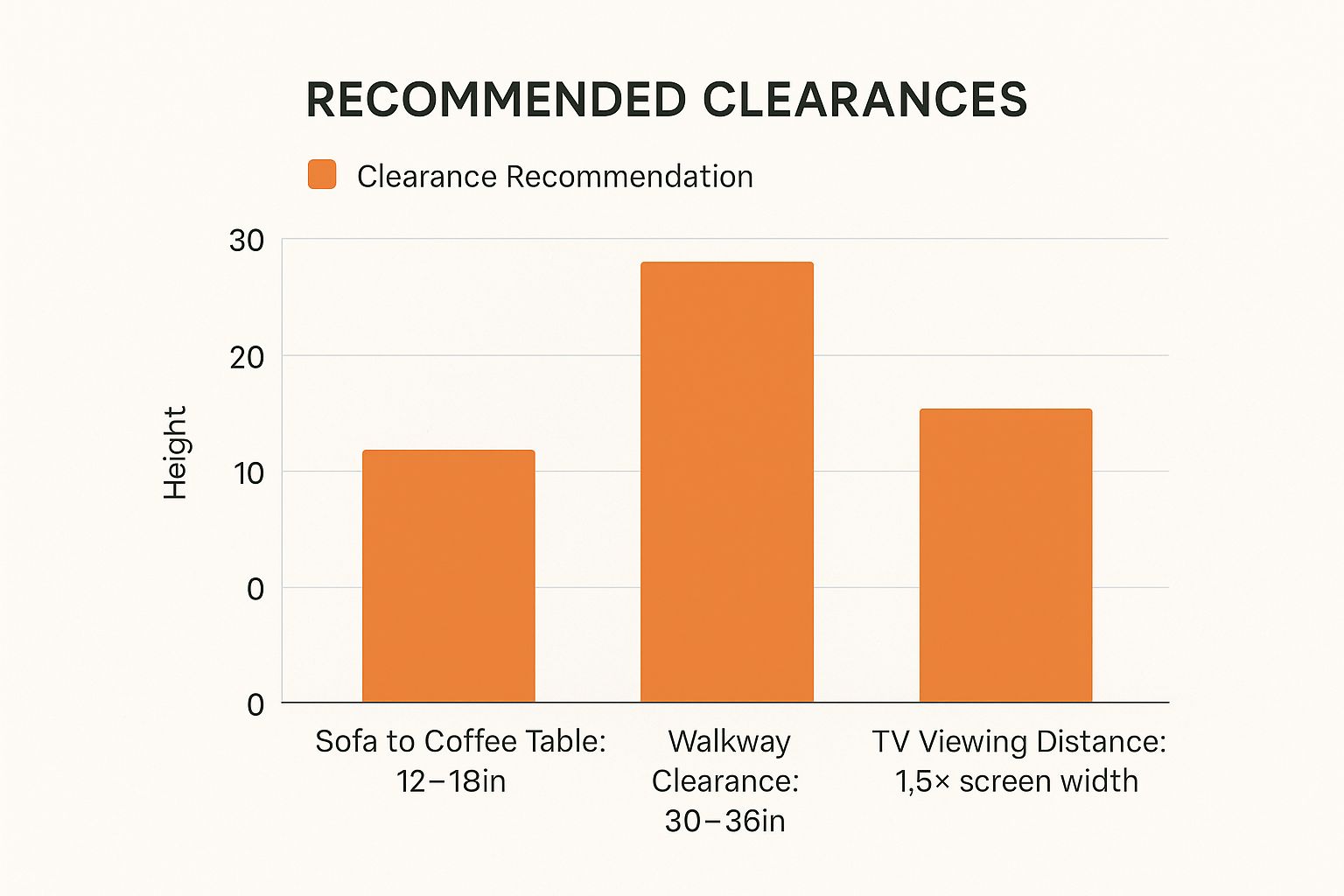
This infographic gives you a good visual overview of recommended clearances for your living room furniture. Think sofa-to-coffee-table distance, walkway space, and how far you sit from the TV. Maintaining these clearances makes a huge difference in how comfortable and functional your living room feels. A tight walkway can make even a large room feel cramped, and who wants that? Getting the TV distance right can seriously upgrade your movie nights, too.
Let's talk about flow. Imagine walking through your living room. Are you constantly squeezing past furniture? Do you have to take weird detours just to get to the kitchen? This is where "invisible pathways" come into play. You want your furniture to work with these natural traffic patterns, not against them.
In my own living room, I have a clear sightline from the entryway to the fireplace. Instead of blocking it with a big sofa, I chose two smaller armchairs. This created a natural, open pathway, both visually and physically. The whole room feels so much more welcoming now.
Think about how you actually use your living room. Do you entertain often and need to reconfigure the space? If so, furniture that’s easy to move around is key. Pieces on casters are a game-changer for flexibility.
Rooms with multiple doorways or awkward angles can be tricky. The trick is to work with these quirks, not fight them. Got a corner that just seems impossible to furnish? Turn it into a cozy reading nook! A comfy armchair and a small side table can transform an awkward space into a favorite spot.
If your living room floor is uneven (and let's be honest, lots of them are!), check out these tips on how to level furniture on uneven floors. It's a lifesaver!
For larger living rooms with multiple entry points, creating distinct zones for different activities can be a great solution. You could have a conversation area around the fireplace, a separate spot for watching TV, and a quiet corner for reading. This helps define the space and makes it easier to navigate without feeling like you're in an obstacle course.
Before we go further, let's look at some key spacing guidelines. The table below gives you a good starting point for figuring out how much space you need around different furniture pieces.
Optimal Furniture Spacing Guidelines
Essential measurements and spacing requirements for comfortable traffic flow and functionality
| Furniture Piece | Clearance Needed | Distance from TV | Conversation Distance | Traffic Path Width |
|---|---|---|---|---|
| Sofa | 36-48 inches (around all sides for easy access) | 6-10 feet (depending on screen size) | 4-8 feet (between seating pieces) | 36-48 inches (minimum for comfortable movement) |
| Armchair | 30-36 inches (around all sides) | N/A | 4-8 feet (between seating pieces) | N/A |
| Coffee Table | 18-24 inches (from sofa) | N/A | N/A | N/A |
| TV Stand | N/A | N/A | N/A | N/A |
As you can see, having enough space around your furniture is essential for both comfort and functionality. Think about how you'll be using the space and adjust these guidelines as needed.
By thinking carefully about how people move through your living room, you can create a space that's both beautiful and functional. It's all about finding that sweet spot between visual appeal and practical, everyday living.
Let's be honest, most living rooms aren't perfect. They've got their own little… personalities. Awkward corners, radiators in the most inconvenient spots, and windows that, while beautiful, can make furniture placement a real head-scratcher. This is where arranging your living room furniture becomes less about strict rules and more about creative solutions.
One common issue? The room with no clear focal point. Ideally, you'd have a gorgeous fireplace or a stunning view. But what if you don't? Easy! You create one. A large piece of art, a gallery wall, or even a well-placed mirror can instantly become your room's star. Then, simply arrange your furniture to draw attention to this new focal point.
Another tricky situation is dealing with furniture that seems out of scale. A massive sofa can overwhelm a small room, while delicate chairs can disappear in a larger one. This is where visual balance is key. If you've got a big piece you love in a small space, balance it out with smaller, lighter pieces. In a large room? Anchor smaller furniture with a large rug or group pieces together to create a more substantial feel.
Those architectural quirks can feel limiting, but they can also be design goldmines. That awkward corner? Transform it into a cozy reading nook. A comfy chair, a small table, and boom – instant charm. That radiator you keep stubbing your toe on? Build a custom cover that doubles as a display shelf. Need to secure heavier items like bookshelves? This guide on securing furniture is a lifesaver.
Windows, while lovely, can be tricky. They can limit wall space and create glare on your TV. Sheer curtains or blinds can soften the light and minimize glare. And don't forget about the space around your windows. A window seat adds storage and seating, while tall, narrow bookshelves flanking a window create height and balance.
These are just a few ideas to get you started. The important thing is to find what works for your space and your life. There’s no magic formula. What works in a spacious loft won't necessarily work in a cozy bungalow. But with a little creativity and some experimentation, you can turn even the most challenging living room into a beautiful and functional space you absolutely love.
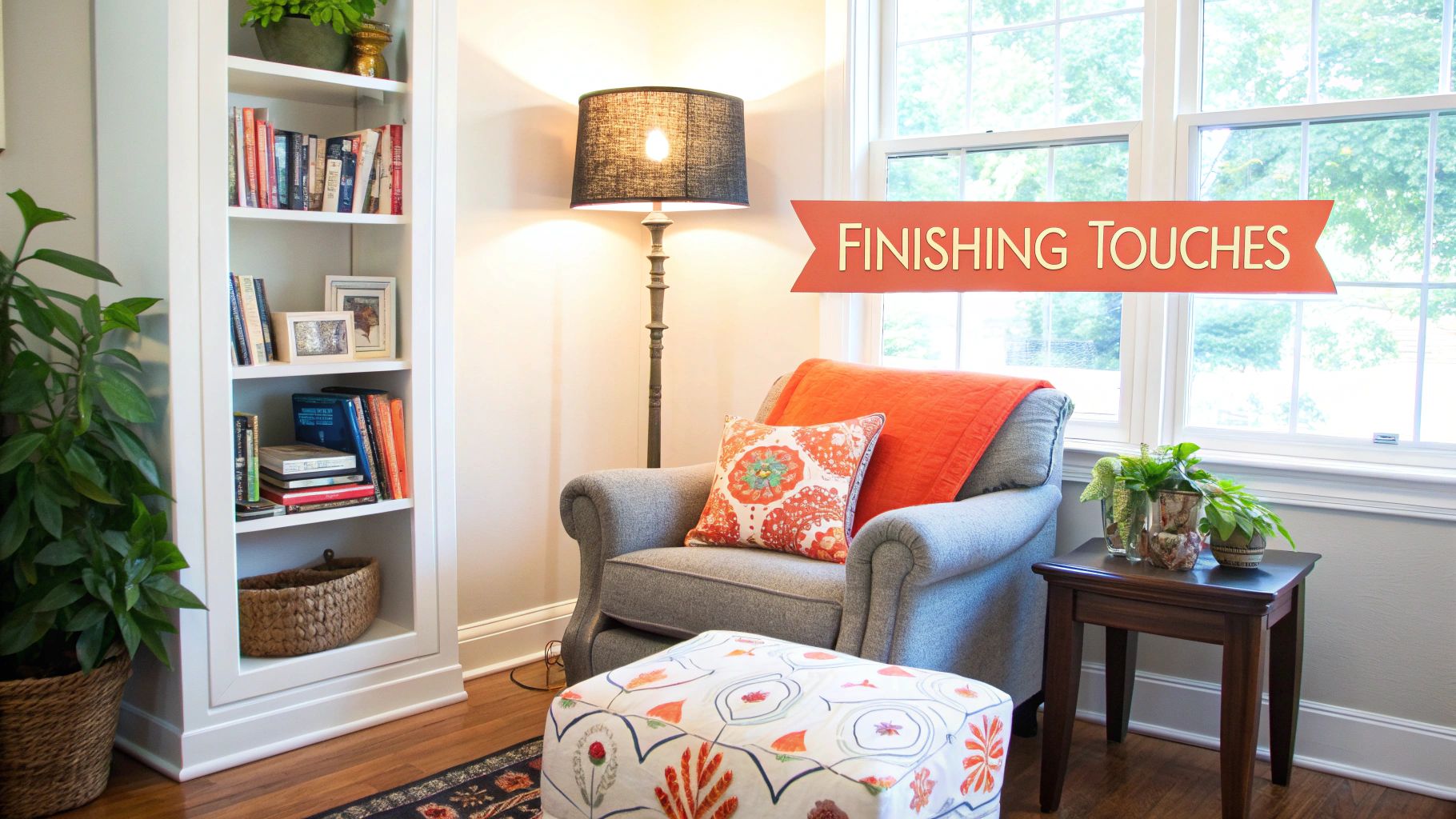
You’ve got your main furniture pieces placed – congrats! Now comes the fun part: layering in those finishing touches that truly make a living room feel lived in. Think of it like adding spices to a great dish; they bring out all the flavors. These seemingly small details can transform a room from simply decorated to warm and inviting.
Lighting is crucial. It sets the mood and impacts how your carefully arranged furniture is perceived. Too much light can wash everything out, while too little can make the room feel like a cave. Take a moment to consider the natural light. Where does the sun hit at different times of the day? Work with it! Maybe a comfy reading chair nestled near a bright window becomes your new favorite spot.
Your furniture placement, in turn, affects how effective your lighting is. A tall bookcase in front of a window, for instance, can block that gorgeous natural light, making the room feel darker and smaller. Be mindful of this interplay as you finalize your layout. It's all about finding the right balance.
Rugs are more than just floor protectors; they're visual anchors, tying furniture groupings together. A rug that's too small can make a room feel disjointed, as if the furniture is floating adrift. Generally, choose a rug large enough to hold at least the front legs of your sofa and any accompanying chairs. This creates a defined seating area.
Consider the rug's shape and pattern, too. A round rug can soften the sharp corners of a square room, while a patterned rug can add visual interest to a neutral palette. I once worked with a client who had a tiny rug in a huge living room. The furniture felt lost. We swapped it for a larger one, and the whole room instantly came together.
Accessories are the jewelry of your living room, adding personality and texture. But beware of clutter! Too many accessories can overwhelm the space and detract from your layout. Choose pieces that complement your furniture and tell a story. A few well-chosen throw pillows, a cozy blanket, and a striking piece of art can make all the difference. Think about the impact of color too; you might find some helpful tips in this article about choosing colors to match your furniture.
Sometimes a room needs space to breathe, while other times, it needs more visual weight. This is where side table height and placement become important. A side table that's too low can make a sofa feel imposing, while one that's too high looks awkward. Aim for a side table height close to the sofa arm. Placement matters, too; make sure it's within easy reach so you can grab a drink or book without stretching.
By paying attention to these details, you can elevate a good living room arrangement into one that feels effortlessly stylish and perfectly you. It’s all about creating a space that looks great and feels comfortable and welcoming.
So, you've measured, you've planned… now for the fun part: actually making your living room look amazing! This isn't just a summary, it's your personalized guide to arranging your furniture with confidence, and a good dose of reality. Because let's be honest, life happens, and your living room needs to roll with the punches.
Don't feel pressured to do everything at once. Think of it like this: you wouldn't try to bake a cake and ice it before it's even risen, right? Focus on the big pieces first: your sofa, main chairs, and how you'll naturally walk through the room. Once those are in place, you can add the finishing touches. This step-by-step approach helps you avoid feeling overwhelmed and lets you live with each change, making sure it really works.
Before you commit to moving any heavy furniture, do a "practice run." I like to use painter's tape to mark out where each piece will go on the floor. This gives you a visual of how much space everything takes up and helps you avoid those "oops" moments. Walk around your taped-out layout, pretending it’s a normal day. Does it feel right? Are there any awkward spots where you’re bumping into things? This simple trick can save you a lot of rearranging later.
What if your first try isn't perfect? No worries! That’s totally normal. Designing a living room is all about experimenting. Live with your new arrangement for a few days and see how it feels. Maybe the flow isn't quite right, or that armchair you envisioned yourself curling up in is just collecting dust. As you add those final details, remember that color can play a big role; you might find this article on choosing colors to match your furniture helpful. Make adjustments based on what you observe. Swap pieces around, change angles, and don't be afraid to ditch your original plan if something else works better. The best furniture arrangement is the one that works for you and how you live.
Ready to take your living room from chaotic to calming? Assembly Smart offers expert furniture assembly services across Texas, Florida, and nationwide. From simple IKEA setups to more complex projects, we handle it all, so you can enjoy a space that looks and functions perfectly. Book your appointment and see the difference professional assembly can make.